
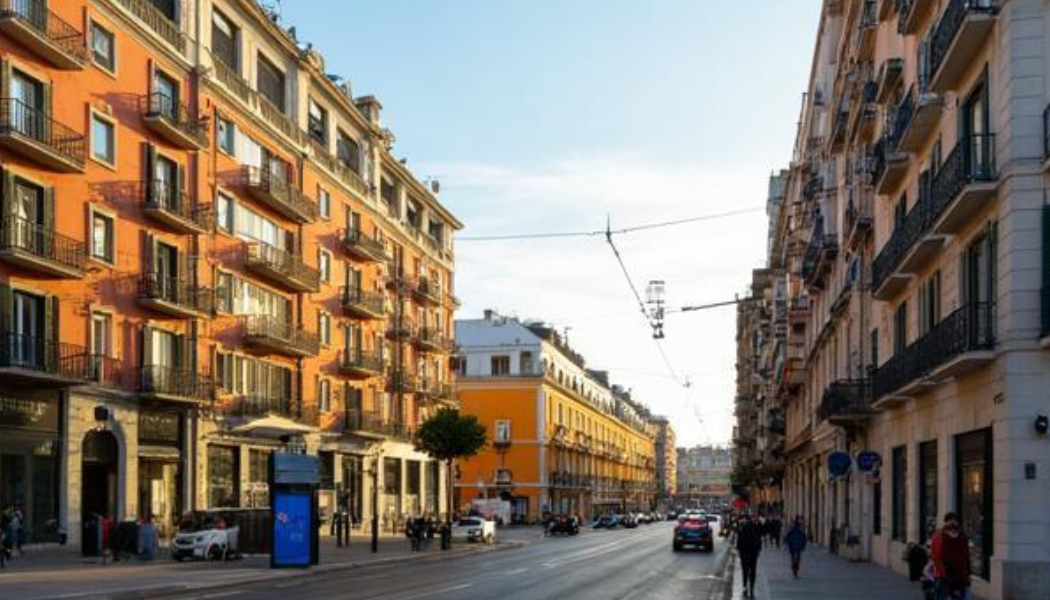
Madrid’s real estate market experiences a staggering 17.9% rise in house prices in Q1, with several districts exceeding 20%. Discover the driving forces, trends, and what soaring property values mean for Spain’s housing landscape in 2026.
Madrid House Prices Surge by Nearly 18%: Spain’s Real Estate Market Accelerates Amid Shifting Demand and Limited Supply
The Spanish property market, led by unprecedented acceleration in Madrid, is showing signs of a dynamic transformation. With Madrid house prices rising by nearly 18% in the first quarter alone and some neighborhoods witnessing even more dramatic increases, Spain’s real estate market is under the global spotlight. This comprehensive report analyzes the latest data, explores the causes, and delves into the implications for homeowners, buyers, and investors in 2026.
Table of Contents
- Overview of Spain’s Real Estate Market in 2026
- Madrid’s House Price Boom: Record-Breaking Numbers
- Neighborhood-Level Analysis: Where Is the Growth Hottest?
- Factors Driving Madrid’s Housing Surge
- Demographic Pressure
- Limited Housing Stock and Scarcity of New Construction
- Migration of Demand to Peripheral Districts
- The Evolution of Demand in Madrid’s Real Estate
- Impact on Affordability and Socioeconomic Shifts
- Comparison to Historical Highs: The Pre-2007 Property Boom
- Implications for Homeowners, Investors, and Renters
- Perspectives from Industry Experts
- The Road Ahead: Forecasts for Madrid and Spain
- Frequently Asked Questions (FAQs)
- Conclusion
Overview of Spain’s Real Estate Market in 2026
Spain’s real estate sector is experiencing a robust recovery in 2026, outpacing most European markets in both pace and resilience. House prices nationwide have surged more than 14% year-on-year, according to market data from Tinsa and Accumin—marking the fastest growth since the housing boom that preceded the global financial crisis in 2007.
At the center of this expansion is Madrid, the Spanish capital, where property prices are setting new records and attracting international attention.
Madrid’s House Price Boom: Record-Breaking Numbers
Data analyzed from Tinsa by Accumin shows that the average price per square meter in Madrid increased by 17.9% in the first quarter of 2026, reaching 4,600 euros. This surge is not just a statistical anomaly; it reflects a sustained acceleration witnessed over several quarters, especially since the start of the COVID-19 pandemic recovery phase.
Several Madrid neighborhoods outpaced even this impressive citywide growth:
- San Blas: Up 23.7%
- Puente de Vallecas: Up 22.1%
- Salamanca: Up 20.8%
Furthermore, other districts like Hortaleza, Retiro, Latina, Chamartín, Moratalaz, Ciudad Lineal, and Usera all saw increases exceeding 17%. Even in areas with “modest” growth such as Vicálvaro, Centro, Villa de Vallecas, Moncloa-Aravaca, and Arganzuela, double-digit growth was recorded.
Neighborhood-Level Analysis: Where Is the Growth Hottest?
While Madrid as a whole is experiencing a significant rise in property values, the appreciation is far from uniform. The sharpest spikes have occurred in traditionally more affordable districts.
- Peripheral and Mid-Range Districts:
- San Blas (23.7%), Puente de Vallecas (22.1%), and Salamanca (20.8%) stand out as leaders. The increasing demand for these districts stems from their relative affordability compared to the city center, combined with improved transportation links and recent urban development projects.
- Other Notable Risers:
- Hortaleza, Retiro, Latina, Chamartín, Moratalaz, Ciudad Lineal, and Usera each recorded price increases above 17%. These areas are seeing a surge in both first-time buyers and investors searching for value and future capital gains.
- Central and Established Districts:
- Even historically prestigious zones like Centro and Moncloa-Aravaca, while seeing somewhat less dramatic growth, still saw double-digit appreciation, underscoring the nationwide trend.
This pattern suggests buyers and investors are increasingly looking beyond traditional “prime” neighborhoods, actively seeking opportunities in peripheral or up-and-coming zones.
Factors Driving Madrid’s Housing Surge
Demographic Pressure
One of the most significant driving forces behind Madrid’s soaring real estate prices is demographic pressure. Madrid is the business, political, and cultural heart of Spain, drawing new residents from across the country and abroad. Migration for employment, education, and lifestyle is fueling demand across all housing segments, particularly for mid-range and affordable properties.
Limited Housing Stock and Scarcity of New Construction
Supply remains a bottleneck. Construction of new housing has lagged significantly behind demand, especially in centrally located and established neighborhoods due to zoning limits, scarcity of developable land, and heightened construction costs post-pandemic. The backlog in new developments is setting the stage for a classic supply-demand imbalance, pushing up prices.
Migration of Demand to Peripheral Districts
With central Madrid becoming increasingly unaffordable, a significant proportion of buyers and renters are looking to city-edge districts where prices, while rising fast, remain lower than the historic center. Improved metro and commuter rail connections are making these districts more attractive for both commuting professionals and families. Urban renewal projects and increased investment in local amenities further boost these areas’ appeal.
The Evolution of Demand in Madrid’s Real Estate
The rapid appreciation in property values is reshaping the capital’s real estate map. Where once demand was concentrated on iconic neighborhoods such as Salamanca, Chamberí, or Centro, escalating prices have caused a notable shift:
- Affordable Districts in Focus: San Blas, Puente de Vallecas, and Hortaleza are now in the spotlight as buyers priced out of core neighborhoods seek more affordable alternatives.
- Lifestyle-Oriented Moves: Young professionals and families are prioritizing neighborhoods with green spaces, new infrastructure, and community services.
- Investors Eyeing Growth: Domestic and international investors, including institutional funds, are increasingly targeting emerging districts with robust price growth potential.
Impact on Affordability and Socioeconomic Shifts
Soaring prices are having a pronounced impact on affordability, especially for first-time buyers and middle-income families. Homes in central Madrid have now become inaccessible to a large share of the population, leading to:
- Widening Socioeconomic Gaps: The cost of purchasing property in Madrid’s center increasingly limits access to higher-income residents or investors, displacing traditional communities.
- Expansion of Rental Market: Many residents priced out of buying are turning to the rental market, further driving up rents and intensifying competition for available properties.
- Changes in Demographics: Peripheral districts are attracting a more diverse population mix, including young professionals, families, and newcomers seeking value and improved quality of life.
Comparison to Historical Highs: The Pre-2007 Property Boom
The current rate of house price appreciation (+17.9% in Madrid and +14% across Spain) is the fastest since the frenzied property boom of the mid-2000s. However, there are some differences in context:
- Stricter Mortgage Lending: Post-financial crisis reforms have led to stricter lending criteria, aiming to prevent a repeat of the credit excesses that fueled the last housing bubble.
- Foreign Investment: There is a significant increase in foreign investment, with buyers from Western Europe, the Americas, and Asia seeking Spanish properties for both lifestyle and asset diversification.
- Government Policy: Measures to increase affordable housing and regulate speculative developments are gaining traction but are not yet sufficient to address the current supply squeeze.
Implications for Homeowners, Investors, and Renters
For Homeowners
Existing homeowners have seen substantial increases in their property’s market value, boosting personal wealth and equity. This is a seller’s market—those willing to part with their property can command premium prices.
For Investors
This market presents both opportunities and risks. The appreciation trend favors medium to long-term investment, particularly in up-and-coming districts. However, rapid price gains raise concerns of overheating and potential corrections.
For Renters
Renters are under increasing pressure as higher property values feed through to rents. With more people priced out of homeownership, the demand for rental housing is surging, putting further strain on available supply and pushing up rents across the capital.
Perspectives from Industry Experts
Industry stakeholders offer a range of perspectives on the current market dynamics:
Juan García, Director at Accumin Properties:
“Madrid’s real estate market is in a period of dynamic transformation. We are seeing demand distributed more evenly across the city as buyers seek affordable options. The growth is sustainable for now, given the underlying demand and limited supply, but policymakers must address the supply side to prevent long-term distortions.”
María Fernández, Economist at Tinsa:
“The pace of appreciation is reminiscent of 2006-2007, but the fundamentals today are different. Lending standards are stricter, and there is more foreign capital. The biggest concern is affordability for local residents—future policy must prioritize accessible housing.”
The Road Ahead: Forecasts for Madrid and Spain
Most analysts forecast continued upward momentum in Madrid’s housing market for at least the next 12–18 months, albeit at a slightly moderated pace as higher prices begin to temper demand. Key variables influencing the trajectory will include:
- Interest Rates: European Central Bank policy will be closely watched, as higher rates could gradually cool demand.
- Government Action: Initiatives to promote affordable housing, streamline zoning, or stimulate new construction could ease supply constraints.
- Economic Growth: Spain’s broader economic health, including employment rates and consumer confidence, will drive market resilience.
Long-term, the trend of decentralization and the rise of peripheral districts is likely to persist, making local market knowledge increasingly vital.
Frequently Asked Questions (FAQs)
Q: What caused the recent surge in Madrid house prices?
A: Demographic pressure, limited new housing stock, rapid urbanization, and migration of demand to more affordable, peripheral districts have jointly propelled Madrid’s house prices upward.
Q: Are house prices rising across all of Spain?
A: Nationally, house prices are up 14% year-on-year, but Madrid is a clear leader with a 17.9% increase in Q1 2024. Other major cities and coastal regions are also experiencing strong price growth.
Q: Is now a good time to buy property in Madrid?
A: The market is robust, but buyers should be cautious and well-informed, as rapid gains can increase the risk of market corrections. Emerging districts offer value and potential upside.
Q: How are renters affected?
A: As buying becomes unaffordable for many, demand for rentals has surged, driving up rents and competition in both central and peripheral districts.
Q: Could there be a housing bubble?
A: Unlike the pre-2008 period, stricter mortgage standards and a more diversified investment base reduce bubble risks, but continuous price acceleration does demand prudent policy and vigilance.
Madrid’s astonishing 17.9% rise in house prices in the first quarter of 2026 is a clear sign of a transformative moment for Spain’s real estate market. Driven by limited supply, demographic shifts, and new patterns of demand, the market is seeing both old challenges and new opportunities. With prices still climbing and competition intensifying, the real estate landscape is being redefined—creating winners and losers, and compelling policymakers, developers, and residents to adapt to this new reality.
For homeowners, investors, and renters alike, the coming months will be critical in shaping the future of Madrid’s—and Spain’s—housing market. As property appreciation continues its upward trajectory, and as new districts emerge as market leaders, understanding the underlying trends will be essential for anyone navigating Spain’s dynamic real estate sector.
For the latest updates on Spain’s real estate market, property trends, and neighborhood analysis, stay tuned to our expert reports and in-depth coverage.
Tags:
Spain real estate market, Madrid house prices, property trends,, Spanish housing demand, Madrid neighborhoods, real estate investment Spain, rising property prices, housing supply Spain, residential real estate Madrid