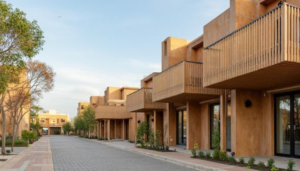

Spain’s real estate market is changing fast—new homes now cost 43% more than second-hand ones, making them a luxury only the wealthy can afford. Experts say rising costs and the influx of foreign buyers are driving prices up, limiting access for local families. Learn what’s behind this housing crisis and what it means for Spanish homebuyers.
Spain’s Real Estate Market: New Housing Becomes a Luxury Out of Reach
The Changing Image of Homeownership in Spain
At one time, the Spanish dream of owning a new home was so vivid it shaped the country’s social landscape: long lines at real estate fairs, families eagerly watching the progress of cranes on city skylines, and hopeful buyers pinning dreams on off-plan properties. Today, however, this reality is rapidly fading. In an era when the cost of new housing is 43% higher than second-hand homes, new builds have effectively become an exclusive commodity for high earners and foreign residents.
In 2025, new construction averages €2,567 per square metre, and second-hand housing sits at €1,796 per square metre. This staggering gap is not merely a reflection of quality or location; it signals systemic issues affecting accessibility, affordability, and the very social fabric of Spain. What are the driving forces behind this luxury shift in new housing, and what does it mean for Spanish families hoping for their own slice of the real estate pie?
The Price Surge: New Housing at a 43% Premium
According to the latest market studies, new build properties have become virtually unattainable for average-income families. In just over a decade since the 2008 real estate bubble, the price of new construction has soared by 82% in nominal terms, compared with just 21% for second-hand homes. This surge has fundamentally changed the profile of who can buy in Spain’s major cities and popular coastal zones.
Annual and Comparative Price Growth
- As of 2025, the average price increase for new housing was over 10% annually in nominal terms and more than 7.6% in real terms (adjusted for inflation).
- Since the crash of 2008, new construction prices have increased by 44% in real terms—though they still remain 18% below the 2007 bubble when adjusted for inflation.
- In contrast, second-hand housing has increased just 21% from its lowest point.
This relentless price growth means buying new housing is increasingly a pursuit for the wealthy or those with significant financial backing—often foreign buyers or high-income households.
The Effort Rate: When Monthly Income Isn’t Enough
The concept of the “effort rate”—the percentage of a household’s disposable income required for mortgage payments—illustrates the growing divide. For the broader Spanish market, the effort rate for home purchase is 35%. For new housing, however, that figure jumps to a daunting 44%.
- In tourist hotspots and employment centers like Marbella, Benidorm, and Alcobendas, the effort required for new homes can exceed 80% of the average household’s disposable income.
- In these locations, property prices have already surpassed the highs of the 2007 bubble, putting new builds further out of reach for all but the wealthiest.
Supply Restrictions: Scarcity, Regulations, and Rising Costs
One of the crucial causes behind these rising prices is the limited supply of new housing—particularly in areas of high demand.
Land Scarcity and Bureaucratic Delays
New developments are held back by:
- Scarcity of developable land in prime locations.
- Lengthy administrative procedures that delay construction and introduce risk.
- Regulatory hurdles designed to protect local heritage or control urban sprawl, which inadvertently constrain new supply.
Rising Construction Costs
- From 2021 to 2023, construction costs grew by an average of 7.3%, outpacing the general inflation rate of 5.9%.
- While the cost of construction materials has moderated since 2024, labor costs have continued to rise, contributing significantly to overall price increases for new projects.
The Demand Side: Who is Buying New Homes?
Despite affordability woes among locals, the Spanish housing market is experiencing record sales—paradoxically driven not by resident families, but by a combination of affluent domestic buyers and foreign nationals.
A Tale of Two Buyers
- National Demand: Still the bulk of sales, with demand surging on the back of robust employment, restored purchasing power, and historically low interest rates leading into 2025.
- Resident Foreigners: Account for approximately 10% of total national home sales—a historic high. Their purchases are especially prominent in the new-build segment (roughly 6% of new home sales).
Non-Resident Foreigners
Non-resident foreigners remain an important market force, particularly in holiday hotspots, where they often outbid locals and contribute to inflationary pressure on both new and second-hand properties. While their share has moderated, overall volumes remain significant.
Regional Disparities: Where Prices Are Breaking Records
Not all parts of Spain are equally affected. The sharpest price spikes for new housing are found in:
- Coastal Cities: Santa Cruz de Tenerife, Benidorm, Marbella, Alicante, Las Palmas.
- Major Economic Centers: Alcobendas (Madrid), Malaga, San Cristóbal de la Laguna.
In these high-demand zones, new construction prices are breaking previous records, and the effort rate required for purchase regularly exceeds 50% (and up to 80%) of the average household’s disposable income.
Socioeconomic Consequences: The Vanishing Path to Homeownership
The new housing market’s transformation has slipped beyond the grasp of most Spaniards. As a result:
- The pool of potential buyers for off-plan and newly finished homes has narrowed considerably.
- The traditional “family home purchase” as a rite of passage is becoming rare, replaced by a new norm of long-term renting or purchasing older, second-hand properties.
- Population growth, including significant upward immigration trends, has fueled rental demand and put further pressure on the limited supply of affordable new homes.
The Vicious Circle: From Luxury New Builds to Inflated Second-Hand Market
The premium attached to new housing feeds directly into the prices of older homes:
- With most buyers priced out of new builds, demand for second-hand properties has intensified, causing their prices to rise as well—even though second-hand homes often lack the energy efficiency, digital connectivity, and modern standards of new builds.
- Investors, sensing this upward trend and ongoing scarcity, increasingly channel money into property, reinforcing the cycle.
The Future: Is There Hope for Affordable New Housing in Spain?
The forecast through 2027 remains challenging:
- No significant drops in new build prices are expected, barring a major economic interruption or policy-driven intervention.
- Construction costs are likely to stay high, with skilled labor shortages and inflation keeping upward pressure on final prices.
- Unless administrative procedures accelerate and more land is released for development, supply constraints will continue.
Potential Solutions
- Policy measures such as incentivizing affordable housing developments, streamlining permit procedures, and encouraging public-private partnerships may help—but require significant political will.
- Curbing speculative demand and introducing measures to support local first-time buyers are also being debated.
New Builds—An Exclusive Club
New housing in Spain, once a realistic aspiration for ordinary families, is now firmly in the domain of the financially privileged and international buyers. The data and trends reveal a profound transformation in the Spanish real estate landscape: without decisive action, new construction is likely to remain a “luxury item” for years to come, while the challenge of affordability escalates for the nation as a whole.
Are you considering buying or selling property in Spain? Stay informed about market trends, policy changes, and affordable housing solutions by subscribing to our real estate newsletter or following us for the latest updates.
[This article is for informational purposes and reflects available data. For professional real estate advice, please consult a registered expert.]