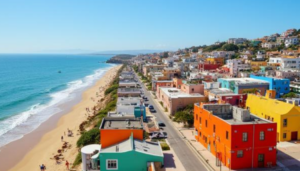

UVE Valoraciones warns of an 800,000-home shortfall in Spain and forecasts a 4%–6.2% rise in house prices in 2026, urging reforms like prefabrication and faster licensing.
A structural shortage of homes is set to keep pushing Spanish property prices higher in 2026, according to a new report by appraisal firm UVE Valoraciones. The firm estimates a housing deficit of roughly 800,000 units at the end of 2024 and forecasts a moderate price rise next year — between 4% (UVE) and 6.2% (AEV) — even as official data showed sharper increases in 2025.
UVE says the real estate cycle that began in 2014 has ended and a new phase dominated by persistent supply shortfalls, gradual reactivation of housing production and sustained price growth has started. Public sources such as the INE and the Ministry for Transport, Mobility and Urban Agenda (Mitma) recorded price increases of between 12% and 13% in 2025, a jump that both UVE and other models underlined as higher than many forecasts had predicted.
Why prices are rising
The appraisal firm points to three potential drivers — banks, investors and, above all, a lack of supply — but singles out the shortage of housing in large cities and tourist areas as the main cause. Spain has been building between 200,000 and 250,000 homes a year for more than a decade, well below the level needed to balance supply and demand, UVE says. That shortfall has concentrated price pressure in about 19 provinces, with Madrid, Barcelona, the Balearic Islands and Malaga among the most affected markets.
Signs of stress are emerging
Transaction volumes in September–November 2025 fell year‑on‑year in Madrid, the Balearic Islands, the Valencian Community, Asturias, La Rioja and several provinces including Malaga, Las Palmas, Pontevedra and Gipuzkoa. Barcelona saw growth well below the national average. Yet prices in pressured areas continued to rise — by roughly 8%–12% year‑on‑year — suggesting affordability limits are starting to bite but not yet curbing price inflation.
Bubble fears and uncertainty
When presenting the report, UVE cautioned against declaring a full-blown bubble. “It cannot yet be said that there is a bubble; in the worst case it could be incipient,” the firm said, adding that predictive models are far from decisive. Both UVE and the Spanish Association of Value Analysis (AEV) acknowledged that their forecasts for 2025 underestimated the actual rise in prices, underscoring the uncertainty in short-term projections.
Policy fixes proposed
To ease the imbalance between supply and demand, UVE advocates speeding up production and modernizing construction methods. The firm highlights prefabrication as a key solution, arguing that the cyclical nature of the sector discourages long-term investments in factories unless stable demand and financing are secured. UVE proposes a state pact to commit long-term resources and sustain continuous building until housing stock reaches about 10% of total dwellings — roughly two million homes.
UVE also calls for drastic simplification of urban planning procedures and much shorter deadlines for granting building licenses, reforms long demanded by developers. The firm warns that current administrative delays and unstable long-term investment conditions limit the sector’s ability to respond to high-demand zones.
What this means for buyers and markets
Expect territorial divergence to persist: the most stressed markets (Madrid, Barcelona, the Balearic Islands and Malaga) will likely continue to see stronger price pressure and rising rent levels, while less pressured provinces may experience milder growth. Policymakers’ ability to unlock land, accelerate permits and incentivize scalable production methods will be decisive in moderating price growth over the medium term.
Given model uncertainty and recent underestimates, consumers and investors should watch monthly transaction and price data closely and consider regional differences when making buying or investment decisions.