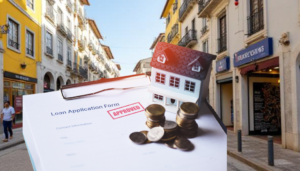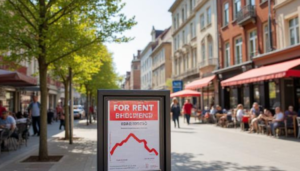
According to UVE Valuations’ latest analysis of 65 major Spanish cities, buying a home is now more affordable than renting in 95% of cases. With rents rising above mortgage payments across most of Spain, discover why buying has become the smarter financial move in the current Spain’s real estate market.
Is It Cheaper to Buy or Rent in Spain’s Major Cities? Insights from UVE Valuations’ Groundbreaking 2026 Real Estate Study
Spain’s real estate market is undergoing a significant shift. In 95% of the country’s largest cities, purchasing a home is now more affordable than renting, according to the recent UVE Valuations analysis covering 65 Spanish municipalities. This report sheds light on the dramatic changes in housing costs, the driving forces behind them, and the broader implications for homebuyers, renters, and policymakers.
A Market Out of Balance
The question of whether to buy or rent a home has long been at the center of Spain’s real estate conversation. In past decades, cultural preferences, macroeconomic factors, and housing supply have swayed opinions one way or the other. However, fresh data for 2026 show an unprecedented gap: in almost every major Spanish city, monthly rent now outpaces the cost of a typical mortgage.
This significant imbalance, uncovered by UVE Valuations—the renowned property appraisal company—marks a turning point in Spain’s real estate landscape and demands deeper analysis for anyone navigating the housing market.
Rent vs. Buy in Spain: The Numbers Behind the Trend
The standout headline from UVE Valuations’ latest study is clear: rents have systematically risen above purchase-related fees in most large urban centers. At present, only three out of 65 Spanish municipalities—Donostia (San Sebastián), Marbella, and Palma de Mallorca—have mortgage payments that still exceed monthly rents. Just a year prior, this was the case in four municipalities, underscoring a rapid shift.
Key Data Points:
- 95% of large Spanish cities now have mortgage payments lower than local rents.
- In February 2026, 42 municipalities registered average rental prices of €11/m² or more—a sharp increase from 34 in December 2024.
- Average mortgage payments above €11/m² rose from 11 municipalities in late 2024 to 17 in early 2026.
- Interest rates have fallen from 3.206% to 2.762% (per AHE), but strong sales price growth has offset any decrease in mortgage payments.
The numbers reveal a startling reality for Spanish tenants: renting has become a systematically more expensive option than buying across nearly the entire country.
Why Is Renting So Expensive?
Surging Rents Meet Slow-Shrinking Mortgages
The UVE Valuations report highlights an anomaly in typical market behavior. Traditionally, a balanced housing market sees rents trailing mortgage payments. Yet, the Spanish market now shows the reverse.
Despite a moderate drop in mortgage rates—a factor that should lower monthly payments—the relentless rise in property prices has kept these payments stubbornly high. Meanwhile, rental costs have surged even faster, outpacing both inflation and wage growth in most urban areas.
Regional Differences: Barcelona, Madrid, and Beyond
Not all cities are affected equally. Barcelona now holds the unenviable title of Spain’s most expensive city to rent in, with rents climbing at a pace well above mortgage costs. Madrid’s rents and mortgage payments have moved almost in parallel, maintaining a tenuous balance. In Valencia, Seville, and Zaragoza, rent increases have decisively outstripped mortgage installment growth, making buying comparatively more attractive.
A unique case is Malaga, where rents stabilized in mid-2025, but mortgage installment costs have risen sharply since, compressing the rent-buy gap but still favoring homeownership.
The Impact of Interest Rates and Sales Prices
Interest Rates Drop, But Sales Prices Rise Even Faster
Generally, falling interest rates make home buying more affordable. Recent data shows rates dropped from 3.206% to 2.762%. This, theoretically, would translate to a 4.83% decrease in typical monthly mortgage quotas. However, Spanish property prices, propelled by high demand and limited supply, have surged so dramatically that any savings from lower interest rates have been absorbed, if not fully neutralized, by increased sale prices.
The result? Even as mortgage installments have dropped slightly, they remain stubbornly high relative to historic levels, and well below the soaring costs of renting.
Tourist Homes, Housing Supply, and Market Dynamics
The Role of Tourist Rentals
An additional complexity in Spain’s real estate market is the prevalence of tourist homes (short-term, typically Airbnb-type rentals) in key cities. According to UVE Valuations, locales like Madrid, Barcelona, Seville, Malaga, and Palma de Mallorca have such a high number of tourist rentals that a ban on this sector could theoretically flood the market with available long-term rentals, easing housing pressures.
However, UVE Valuations cautions that any move to restrict or ban tourist rentals must be weighed against the broader economic impact, especially given Spain’s dependence on tourism revenue.
Housing Supply: The Chronic Shortage
Another key factor driving up both rents and sale prices is a shortage of new housing supply. Construction has not kept pace with growing demand, especially from young professionals, foreign investors, and digital nomads attracted by Spain’s climate, lifestyle, and economic opportunities. As a result, both tenants and buyers are battling for limited stock, driving prices ever higher and further distorting the rent vs. buy equation.
The Savings Challenge: Why Buying Is Still Out of Reach for Many
The Down Payment Hurdle
While a mortgage installment may be cheaper than monthly rent, that’s only half the story. To purchase an average home, buyers need sufficient upfront savings to cover expenses not financed by banks, typically encompassing 28% to 32% of the property’s value when taxes, legal fees, and other transaction costs are included.
Given Spain’s median salaries and rising living costs, amassing such savings remains a significant hurdle, especially for younger would-be homeowners and first-time buyers.
Case in Point: Affordability Gap
Consider a property valued at €250,000. To qualify for a mortgage and cover associated expenses, a buyer would need between €70,000 and €80,000 in savings—far above the means of many Spanish households, whose average net annual income is below €30,000. Therefore, despite mortgage payments being lower than rent in many places, actual homeownership rates may not rise as quickly without further policy intervention.
The Bigger Picture: Implications for Spanish Society
Social Divide: Owners vs. Renters
The growing cost gap risks entrenching a two-tiered housing market—those who can afford to buy and those locked into costly rents. This is particularly relevant in Spain, where homeownership has traditionally been regarded as both a cultural ideal and a source of family wealth.
If current trends continue, access to property may be increasingly determined by family wealth, deepening inequality between generations and income brackets.
Policy Debates: Government Responses
Spain’s national and regional governments are already under pressure to respond. Ideas under discussion include:
- Expanding social and affordable housing initiatives
- Tightening regulations on tourist rentals
- Providing subsidies or state-backed savings schemes for first-time buyers
- Streamlining planning approvals and encouraging new construction
Any effective solution will require balancing the needs of tenants, buyers, developers, and the vital tourism sector.
Future Outlook: What Lies Ahead for Spain’s Real Estate Market?
Near-Term Predictions
With interest rates likely to remain relatively low and demand for housing high, most analysts expect tensions in Spain’s real estate market to persist. Rents are projected to rise further in high-demand cities absent significant policy action or a construction boom.
At the same time, if homebuyers continue to be blocked by down payment requirements, the rental market will remain under upward pressure, perpetuating current imbalances.
Long-Term Structural Reforms
To restore balance, experts highlight the need for:
- Incentives for new construction
- Enhanced tenant protections
- Innovative financing solutions (such as shared equity models)
- Careful regulation of the tourist rental sector
Without addressing these underlying problems, Spain’s real estate market may face a prolonged period of dysfunction, eroding affordability and undermining broader economic and social stability.
Navigating Today’s Spanish Housing Market
For now, the data from UVE Valuations is unequivocal: in 2026, almost everywhere in Spain, buying is cheaper month-to-month than renting. However, most would-be buyers face significant obstacles due to savings requirements and limited housing stock.
For policymakers, investors, and families alike, understanding these trends—and how they interact with broader economic forces—is crucial. Spain’s real estate story is about more than just mortgages and rents; it’s a mirror reflecting deeper societal trends, economic shifts, and the urgent need for effective housing policy.
Frequently Asked Questions (FAQs)
Is it cheaper to buy or rent a house in Spain’s major cities?
According to recent data, buying a home is now more affordable than renting in 95% of large Spanish cities when considering monthly payments.
Why are rents in Spain so high?
Rents are driven up by strong demand, a chronic shortage of supply, competition from tourist rentals, and stagnant incomes, particularly in major cities.
What are the biggest barriers to buying property in Spain?
The largest hurdle is saving for the down payment and associated transaction costs, which typically require 28-32% of a property’s value upfront.
How might policy changes affect the market?
Policies expanding housing supply or regulating rentals could help, but must be meticulously designed to avoid negative impacts on tourism and investment.
Are mortgage rates expected to rise?
At present, rates are relatively low, but fluctuations are possible depending on broader European and global economic conditions.
Sources & Further Reading
For More on Spain’s Real Estate Market…
- [2026 Housing Market Predictions]
- [How to Qualify for a Spanish Mortgage]
- [The Complete Guide to Renting in Spain]
- [The Impact of Tourist Rentals on Spanish Cities]