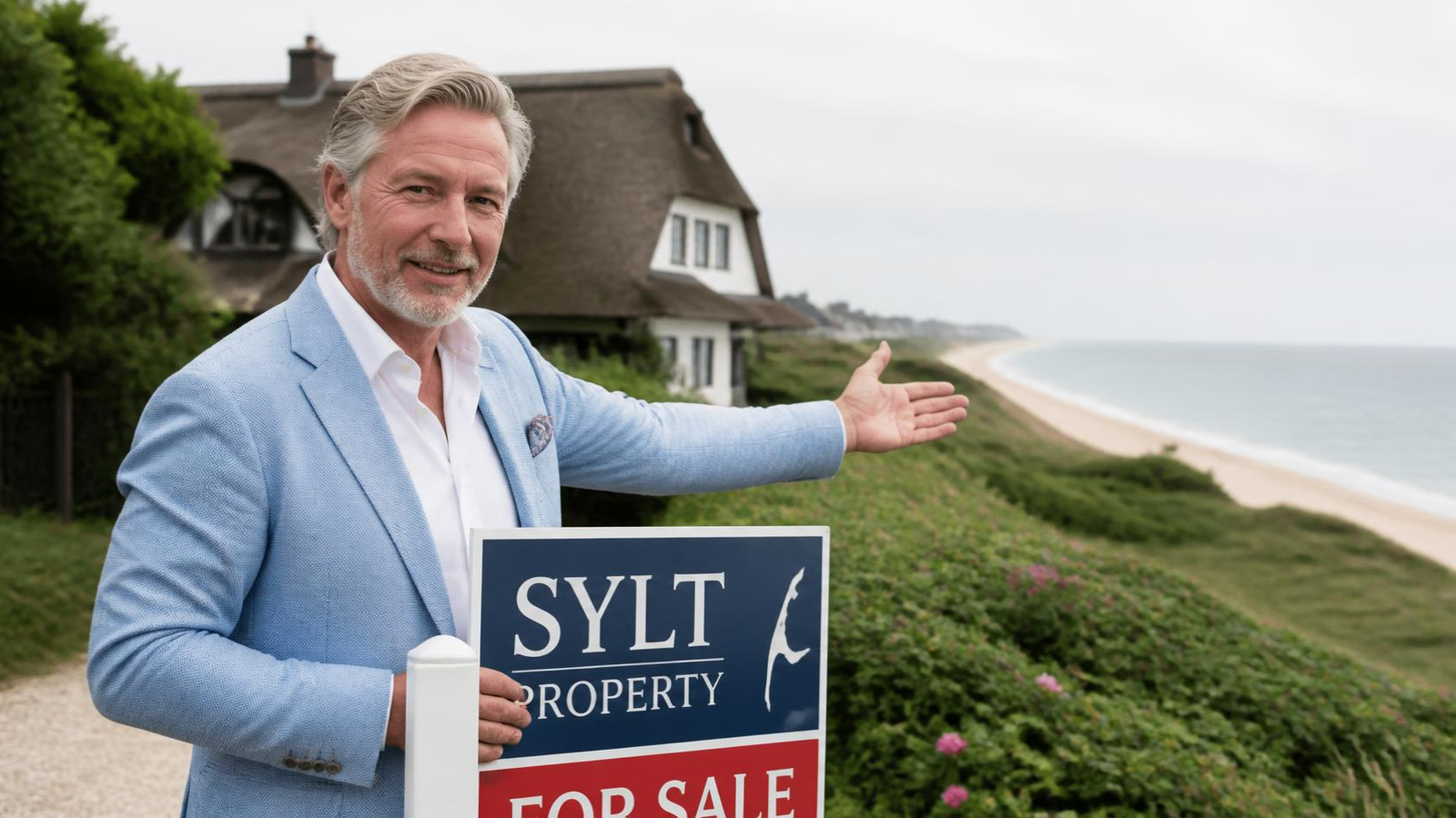
Explore the changing market for holiday homes in Germany for sale as baby boomers exit, bringing hundreds of properties in Sylt and beyond to market at historically low prices. Learn where to find the best deals and what’s driving this nationwide trend.
Why Now Is the Perfect Time to Buy: Baby Boomers Selling Off Holiday Homes in Germany at Unprecedented Prices
A Generational Shift Reshaping Germany’s Holiday Home Market
For decades, owning a holiday home in Germany—especially on the coveted island of Sylt or in picturesque mountain ranges—was a symbol of achievement, comfort, and investment wisdom for many. Today, however, a seismic shift is underway, opening unprecedented opportunities for buyers. As the baby boomer generation relinquishes thousands of holiday homes, eager investors and individuals searching for a slice of paradise are finding the market suddenly more accessible—and at historically attractive prices.
This sweeping transformation is not only reconfiguring the supply and demand dynamic but also reshaping property values and local landscapes. In this comprehensive report, we explore the factors driving this dramatic market realignment and reveal where to find the best holiday homes in Germany for sale.
The Baby Boomer Exit—What’s Driving the Surge of Holiday Homes in Germany for Sale?
The Demographic Turning Point
Baby boomers, born between 1947 and 1967, hold substantial assets in Germany’s holiday property sector. After decades of enjoying second homes in idyllic locales from the windswept shores of Sylt to the quiet Harz Mountains, many are now reaching retirement or advanced age. The challenge of maintaining distant properties, shifting lifestyles, and complex inheritance scenarios are prompting thousands to put their cherished holiday homes on the market.
Inheritance is playing a significant role: Heirs and family members, often settled elsewhere and unable to balance distance with upkeep, are finding it impractical or financially unwise to retain these properties. Buying out siblings or relatives is frequently unfeasible, particularly as property values in desirable regions remain high by broader standards. This has led to a spike in “stranded assets”—properties for which no single heir is prepared to assume full responsibility.
Changing Investment Climate
For years, the German holiday rental market flourished, supported by lenient enforcement of regulations. Owners could easily generate income by renting their apartments to tourists. However, in Sylt and other areas, local governments have tightened restrictions since 2024, barring tourist lets of many condominiums unless special permits are obtained. Permanently residing in these homes is now often the only legal option, causing rental revenue streams to dry up, further accelerating the pace at which aging owners and their heirs choose to sell.
Sylt—From the Pinnacle of Prestige to a Buyer’s Market
The Jewel of German Vacation Real Estate
Sylt, with its 40 kilometers of sandy beaches, dramatic dunes, and world-class cuisine, has long topped the list of Germany’s most upscale holiday destinations. Picturesque thatched-roof brick houses, exclusive boutiques, and a storied cultural scene drew affluent buyers for generations, making the island the flagship of the German holiday homes market.
The Data: Prices and Listings
Today, a glance at leading property sites like Immowelt reveals the magnitude of change: Over 800 properties—from compact apartments to luxurious villas—are now up for grabs. This supply is up nearly 10% over the summer, a dramatic surge that has turned the traditional seller’s market into a more balanced environment.
According to the most recent analysis from Bodenrichtwerte Deutschland (operated by Immobilienscout24), the average standard land value in Sylt fell by 4.6% year-on-year, now at €1,480 per square meter for undeveloped land. This marks a pivot from the relentless upward trend that dominated previous decades.
In Westerland, the island’s bustling heart, modest one- and two-room holiday apartments—once unattainable for less than a small fortune—are now being marketed for under €250,000. Such prices, virtually unthinkable just a few years ago, indicate the depth of the current buyer’s market. For those who’ve long dreamed of owning a Sylt retreat, opportunity is finally knocking.
Beyond Sylt—The New Affordability in Germany’s Hidden Holiday Gems
The Harz Mountains: Holiday Homes Starting at €39,000
The shift isn’t isolated to Sylt. In the scenic low mountain ranges, particularly the Harz, a parallel trend is unfolding. Built in the 1960s and 1970s for vacationing west Germans, vast holiday apartment complexes are today being offered at prices rivaling those of new compact cars. Listings in Clausthal-Zellerfeld now feature renovated 44-square-meter apartments from 1963 for as little as €39,000. In Altenau, a modernized one-and-a-half-room apartment is available for €58,500.
These entry-level prices represent an extraordinary entry point for newcomers to the holiday home market in Germany.
The Ticino Connection
The baby boomer sell-off is echoing across borders. In Switzerland’s sun-drenched Ticino—where Germans, doctors, and academics once snapped up lakeside escapes—changing demographics and falling buyer interest among heirs has similarly led to increased supply and downward price pressure. While the Swiss Real Estate Institute reports that prices for condominiums in Ticino fell 3% in the past year, other areas of Switzerland saw continued price growth (with Zurich surging by 5.1%).
The lesson for buyers: the ripple effects of Germany’s demographic and regulatory changes are international, opening up opportunities wherever older generations once dominated the holiday-home scene.
What’s Fueling the Price Drop and Market Saturation?
The End of the Rental Goldmine
The halt on short-term holiday rentals in places like Sylt has dealt a significant blow to the attractiveness of holding on to secondary properties for investment. For years, rentals to mainland tourists supplemented owners’ incomes, offsetting rising maintenance costs and taxes. Now, unless owners plan to use the properties themselves, many see little reason to retain what has become for some “a money-destroying machine.”
A Race to Revise Asking Prices
“With significantly more supply on the market, would-be sellers who once hoped for top euro are having to revise their expectations,” reports local agents. As competing listings grow, patient buyers are finding themselves able to negotiate better deals, particularly on properties requiring upgrades or modernization.
For sellers, this new climate requires a willingness to meet the market, often necessitating price reductions and readiness to invest in updates—an additional hurdle for older owners less inclined to undertake renovations.
Investment Opportunities and Risks—Who Should Buy and Why?
Ideal Buyers: Seekers of Affordable Holiday Homes in Germany
Individuals and families with flexible work arrangements or those desiring an escape from city life now have far more options to explore. The surge in affordable holiday homes in Germany for sale presents a rare buying window, particularly for those open to undertaking renovations or content with simpler properties.
Unlike past decades where only the very affluent could consider a second home in regions like Sylt, today’s buyers are as likely to be middle-class professionals, digital nomads, or retirees seeking a permanent shift to a tranquil locale.
The Importance of Renovation and Modernization
Buyers should be mindful that price alone does not guarantee long-term value. Properties that require substantial renovation or modernization, especially those in older complexes or in areas with declining populations, may entail additional investment. However, with government incentives such as the €12,000 home renovation grants and comprehensive funding support, the cost barrier can be substantially reduced.
Where Prices May Bottom Out
While some experts predict that prices in less sought-after or more remote areas could drop further, desirable properties within a drivable radius of metropolitan centers will likely stabilize soon. Those seeking to maximize long-term asset value should pay close attention to location, property quality, and potential for future demand—a particularly important factor given Europe’s evolving approach to leisure, mobility, and remote work.
A Closer Look—Top Picks for Buyers
Sylt
- Apartments: Older units in Westerland for under €250,000.
- Villas: Thatched-roof historic homes across the island, now entering the mid-market range.
Harz Mountains
- Clausthal-Zellerfeld: 44 m² apartments from €39,000—a genuine entry-level investment in a tranquil setting.
- Altenau: Modernized 1.5-room flats for approximately €58,500.
Berlin Surroundings
Outlying areas near the German capital are also seeing an uptick in listings, with prices adjusting downward yet remaining comparatively stable due to ongoing metropolitan demand.
Ticino, Switzerland
For those open to investing beyond Germany, lakeside homes in Bellinzona, Lugano, and Locarno are experiencing a similar market reset, with notable discounts compared to previous peaks.
The Future Outlook—Will Prices Keep Falling?
While a short-term surplus in supply remains, most analysts agree that the bottom will eventually be found—particularly in the most attractive regions and for quality, well-maintained properties.
Factors such as:
- Demographic shifts (younger generations less interested in ownership)
- Stricter rental regulations
- Rising renovation needs
are likely to keep prices from rebounding quickly. Yet, as the baby boomer sell-off tapers and demand stabilizes, today’s buyers could be positioned to benefit from future appreciation—especially if remote work trends and urban exodus continue.
How to Navigate the German Holiday Home Market as a Buyer
1. Research Extensively
Use leading portals like Immowelt and Immobilienscout24 to track listings in your desired region. Look for emerging patterns in both pricing and supply.
2. Have Financing Ready
With demand for affordable homes remaining strong, the best properties may attract multiple offers. Pre-arrange financing to give yourself an edge.
3. Inspect Property Condition
Many affordable listings may require renovation. Budget not just for purchase costs but for essential upgrades—leverage available government grants where possible.
4. Investigate Permitted Uses
Ensure the home you buy can be used as intended, particularly if you hope to generate rental income. Local zoning may prohibit certain short-term rentals.
5. Prioritize Location
Even in a buyer’s market, “location, location, location” remains key. Proximity to cities, transport, and amenities will strongly influence both your enjoyment and long-term investment value.
6. Act with Purpose
Though the market presents abundant choice, well-priced, high-quality properties can still move quickly. Don’t delay if you find the right combination of price, location, and condition.
A New Chapter for Holiday Homes in Germany
Germany’s holiday home market is undergoing its most profound transformation in decades. As baby boomers exit en masse, hundreds of appealing properties—once considered untouchable luxury—are now accessible to a wider range of buyers. For those eager to secure a holiday retreat, investment property, or new lifestyle, there has never been a better moment to act.
Prospective buyers should approach with careful planning, leveraging the surplus in supply and government incentives to secure a property that will bring value and enjoyment for years to come. The lasting legacy of this demographic transition is not just lower prices—but a democratization of Germany’s most cherished holiday locales.
Ready to explore the changing landscape? Start your search for holiday homes in Germany for sale now, and seize your opportunity before the next market shift begins.
Tags:
holiday homes in Germany for sale, Sylt property market, German real estate trends, baby boomer property sales, holiday apartments Germany, vacation homes for sale Germany, investment property Germany, North Sea coast real estate, German holiday homes prices, real estate Germany