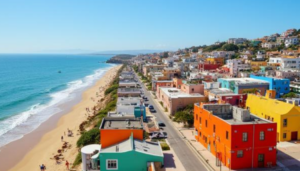

The Balearic Islands have reclaimed the spotlight in Spain’s real estate market as a €40 million mansion becomes the country’s most expensive home, highlighting the region’s growing appeal among international buyers and outpacing luxury properties in Madrid.
Balearic Islands Lead Spain’s Real Estate Boom: How Luxury Market Dominance is Reshaping the Housing Landscape
In 2026, the Spanish real estate market stands at a crossroads. A mix of economic revival, international investment, and technological transformation has created both opportunity and challenge for homebuyers and investors. At the epicenter of this vibrant—and polarized—scene sits the Balearic Islands, where jaw-dropping multimillion-euro estates have routinely outpriced Madrid’s luxury offerings. The recent sale of a €40 million mansion on the islands underscores an emerging truth: the Balearic Islands are consolidating their status as Spain’s luxury capital, pulling ahead of even the nation’s largest cities. But as luxury sales break records, young Spaniards are facing new realities and being pushed toward emerging cities by soaring prices and limited inventory.
In this comprehensive deep-dive, we’ll examine the contrasts in Spain’s real estate market in 2026: from the surge in luxury investment in the Balearic Islands to the struggles of the under-40 generation aiming to access affordable housing. We’ll explore the impact of foreign buyers, structural supply challenges, technological innovations, and the far-reaching effects for Spain’s social fabric.
1. The Balearic Islands: Spain’s Unrivaled Luxury Real Estate Epicenter
1.1. €40 Million Mansion: A New High Point
Once again, the title of “most expensive home in Spain” lands in the Balearic archipelago, with a newly listed mansion priced at €40 million. It’s more than a record-breaking transaction—it’s a symbol of profound shifts in the nation’s property market. While Madrid and Barcelona continue to attract premium investments, the Balearic Islands have become the undeniable epicenter for luxury real estate.
1.2. Why the Balearics?
What factors make the Balearic Islands so attractive to elite buyers? The answer is threefold:
- International Demand: The region has an enduring allure for international investors, especially from Germany, the UK, and Scandinavia. Tourism exposure often transforms visitors into buyers, with many seeking permanent or vacation residences.
- Scarce Supply: With strict geographic, urban planning, and environmental regulations, development remains extremely limited. The resulting scarcity of high-end real estate only intensifies demand.
- Quality & Exclusivity: Developers and owners know their clientele. Listings in the Balearics generally boast cutting-edge design, unparalleled sea views, plenty of privacy, and top-tier energy efficiency—a non-negotiable for today’s luxury marketplace.
2. The National Picture: Polarization in Spain’s Real Estate Market
The Balearic Islands’ dominance is emblematic of a broader fragmentation within the Spanish real estate market, as detailed in recent studies from Engel & Völkers and other leading agencies.
2.1. Luxury Soars in Prime Locations
Luxury homes in the Balearic Islands, Costa del Sol, and prime districts of Madrid and Barcelona have seen persistent price growth, largely fueled by foreign investment and land scarcity. High-quality homes in these locations sell faster, with reduced marketing and negotiation periods, as competition between high-net-worth buyers intensifies.
2.2. Secondary Cities Attract the Young
While million-euro homes change hands rapidly in the Balearic Islands, buyers under 40 are being squeezed out of the traditional capitals. High prices and limited stock are pushing younger buyers toward “emerging” cities with healthier affordability ratios and growth potentials, such as Valencia, Malaga, and metropolitan peripheries. This marks a dramatic reordering of the residential map in Spain.
2.3. Key Statistics (2026 Projections):
- Total Transactions: Expected to reach 825,000 for the year, despite a cooling national economy.
- Average Second-Hand Price Growth: Set to increase 12% nationwide, with localized increases exceeding 15% in hotspots like the Balearics, Canaries, and Costa del Sol.
- Marketing Times: In sought-after areas, average marketing time for luxury properties continues to shorten, sometimes selling in weeks rather than months.
3. The Forces Driving Change: International Capital and Economic Conditions
3.1. The Power of Foreign Investment
Foreign buyers continue to see Spanish real estate as a safe haven in an otherwise volatile international environment. Economic stability, a desirable Mediterranean climate, and strong tourism underpin long-term confidence in Spain as a place to either invest or settle. In 2025, nearly 15% of Spanish property transactions involved foreign buyers (Source: Registradores de España), with the Balearics seeing this ratio exceed 30%.
3.2. Economic Tailwinds
Two additional macro-economic factors are supporting the market:
- Declining Inflation: Stabilizing prices are restoring consumer and investor confidence.
- Lower Interest Rates: Reduced borrowing costs are making property purchases more attractive and ramping up transaction activity, particularly in the higher echelons of the market.
4. Luxury Boom vs. Local Strain: Social Implications in the Balearic Islands
The influx of international capital into the Balearics has enriched the local economy, but not everyone is benefitting equally. While sellers, developers, and service providers are thriving, local residents—especially the young—are facing a stark accessibility crisis.
4.1. Housing Affordability Challenges
Median local incomes have not kept pace with soaring property values. Many residents are now priced out of their own neighborhoods, with homeownership becoming a remote dream. This trend is especially pronounced among those under 40, who find themselves competing with cash-rich foreign buyers in a market of limited supply.
4.2. Rising Social Tension
The disconnect is growing between the “globalized” property market and local socioeconomic realities. Protests, calls for rent controls, and demands for government intervention are increasing, as policymakers struggle to balance the competing interests of encouraging investment and ensuring social sustainability.
5. The Tech Revolution: Digitalization and Real Estate in Spain
A transformative undercurrent in the Spanish property sector is technological modernization. Real estate agencies and developers are increasingly leveraging digital tools, not just to market property, but also to enhance every stage of the buying experience.
5.1. AI and Automation: Shortening Sales Cycles
Artificial intelligence and big data analytics allow agencies to:
- Automatically match buyers to suitable properties.
- Predict price trends and adjust marketing tactics in real time.
- Streamline document approvals and communication, reducing friction and paperwork.
This heightened efficiency is especially evident in competitive, fast-moving markets like the Balearic Islands, where speed can mean the difference between winning or losing a sought-after property.
5.2. Virtual Tours and Remote Transactions
Post-pandemic innovations remain prevalent: virtual tours, digital signatures, and online mortgage approvals are now common, enabling buyers—often from other countries—to safely complete purchases without ever setting foot in Spain before closing.
6. Spotlight: How the Balearic Islands Exemplify Spain’s Real Estate Dichotomy
No other region illustrates the Spanish real estate market’s polarizing forces better than the Balearic Islands. On one side, the archipelago is a magnet for global wealth—luxury is thriving, and prices seem to have no ceiling. On the other, the gap between what international investors can pay and what most local families can afford is growing wider, making housing access one of the defining social issues of the region.
6.1. Luxury as a Growth Engine
The continuing rise in luxury real estate is powering local economies, boosting employment in construction, design, hospitality, and property services. Iconic new builds sport advanced green credentials and contemporary architecture, appealing to discerning high-end buyers looking for sustainable, exclusive lifestyles.
6.2. The Accessibility Crisis
Yet, for many islanders, this success comes at a price. Rents and sale prices increasingly detach from local earning power, forcing residents further afield—or out of the region altogether. Social cohesion and the cultural fabric of towns and cities are under strain, fueling policy debates over how to rein in price growth and guarantee public access to affordable housing.
7. Looking Ahead: Spanish Real Estate Through 2026
The market’s trajectory for 2026 and beyond is marked by both opportunity and uncertainty.
7.1. Continued Luxury Growth
All indicators suggest that luxury real estate in strategic enclaves—particularly the Balearic Islands—will continue to flourish as international demand remains robust and supply limited. Developers are already shifting focus to energy-efficient, turnkey products for a global client base.
7.2. A New Residential Map
The displacement of young buyers from traditional capitals is driving the rise of new hotspots—mid-sized cities with thriving economies and better housing affordability. Valencia and Malaga, for example, are fast becoming magnets for both domestic and foreign buyers priced out of the “big four” (Madrid, Barcelona, the Balearic and Canary Islands).
7.3. The Challenge of Balance
Key to the future will be Spain’s ability to balance:
- Investment attraction
- Economic growth
- Social sustainability
- Genuine access to housing for all segments, especially young generations
The path ahead requires innovative policy solutions: land regulation, housing incentives for locals, targeted taxation, and fostering affordable rental or purchase options in traditionally high-density areas.
Spain’s real estate market in 2026 is more polarized, dynamic, and consequential than ever before. The rise of the Balearic Islands as the nation’s luxury powerhouse is both an emblem of Spain’s desirability and a flashpoint for deeper debates around affordability and social equity.
With technological transformation accelerating transactions, international capital fueling price rises, and a generation of young Spaniards reimagining their futures in new urban hubs, Spanish real estate is at a historic inflection point. The challenge will be to ensure that the market’s impressive growth and global appeal translates into opportunity—not only for investors and luxury buyers, but also for the next generation dreaming of a home in Spain.
This article aims to provide a comprehensive overview of the evolving trends in Spain’s real estate market. For more in-depth reports and property listings, consult reputable real estate agencies and government data published by Registradores de España and INE.
—
Tags:
Spain real estate market, Balearic Islands luxury homes, Spanish property trends, foreign real estate investment, youth housing, Madrid real estate, property prices Spain, real estate digitalization Spain, second-hand housing Spain, luxury homes Spain