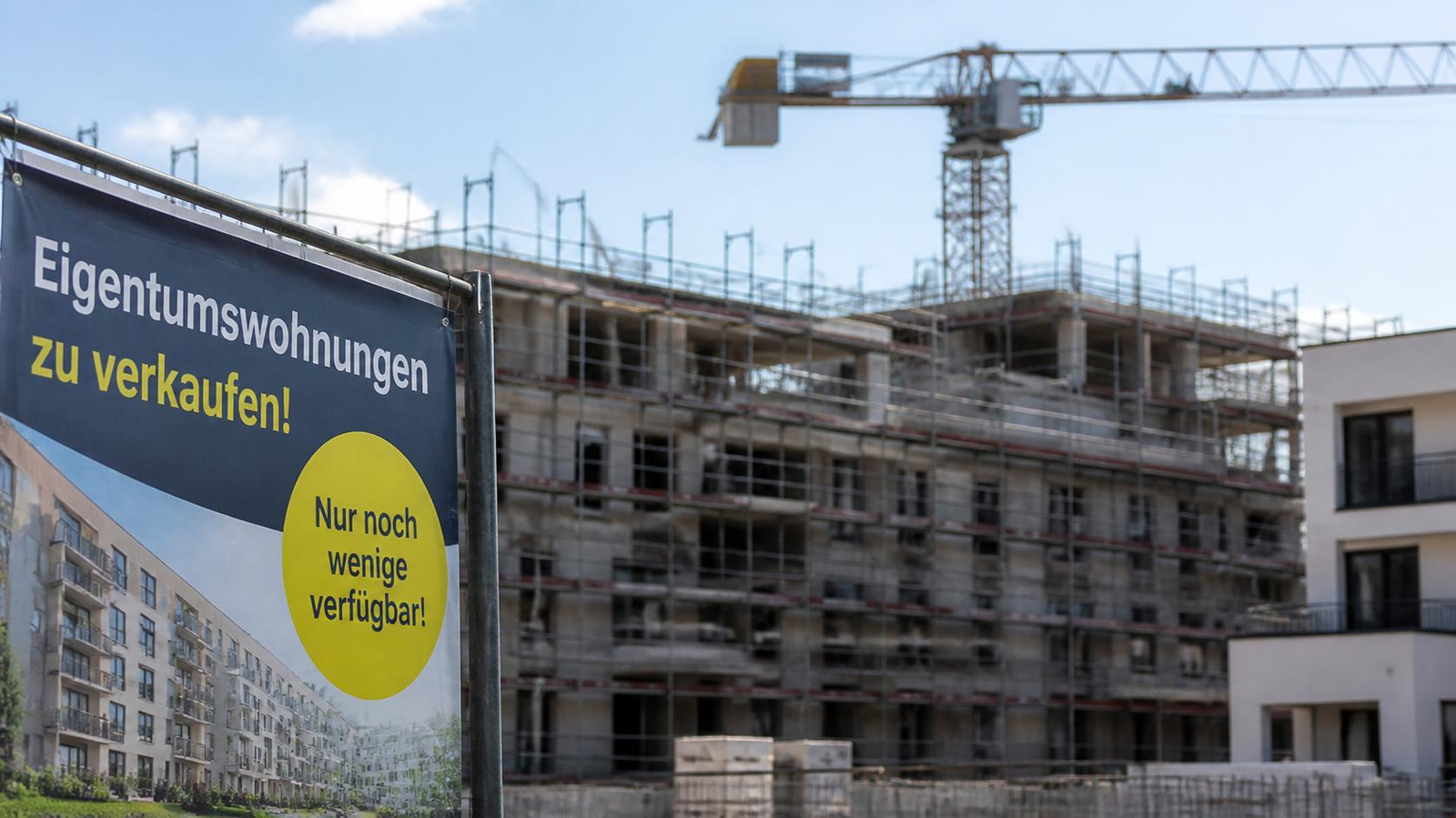
Germany’s property investors and homebuyers face higher real estate financing costs as the European Central Bank raises key interest rates to 2.50%.
A Shifting Real Estate Landscape
As Germany’s real estate market transitions into the latter half of 2026, real estate financing has found itself at the center of economic debate. With climbing mortgage interest rates, uncertain market forecasts, and growing pressure from both the European Central Bank’s (ECB) monetary policy and ever-evolving global crises, home buyers, property investors, and developers are re-evaluating their positions.
How should buyers and investors approach construction and real estate loans in this volatile environment? This comprehensive analysis outlines the market’s current dynamics, canvasses expert opinions, examines pivotal economic drivers, and provides actionable guidance for anyone seeking clarity within Germany’s housing and loan markets.
The ECB’s Interest Rate Hikes: The Immediate Impact
In September 2026, the ECB raised its key interest rate by 0.25 points to 2.50 percent—the second such increase this year. Immediately, this sent ripples through financial markets, spurring concern across Germany’s real estate financing sector.
However, mortgage rates don’t automatically mirror ECB changes. Instead, they’re driven primarily by capital market expectations and the development of long-term government bond yields. The direction of these rates depends on both economic fundamentals and market sentiment about future inflation, growth, and geopolitical risks.
The Disconnect: Policy Rates vs. Real Estate Financing Costs
While policy rate changes make headlines, Germany’s mortgage rates are more closely tied to bond market movements. As government bond yields increase, so too do financing costs for mortgages and construction loans—further intensifying pressure on potential buyers and investors.
Mortgage Rates in 2026: Major Milestones and Current Trends
Mortgage Rates Surpass 4%: A 15-Year High
Throughout 2026, mortgage interest rates in Germany have risen above the psychologically important 4% threshold for the first time in over a decade. Most recently, ten-year fixed-rate mortgage loans are being quoted at around 4.3%, marking near the highest levels seen in 15 years.
Expert Viewpoint (Kohnen):
Industry experts like Kohnen do not anticipate a quick reversal in this trend. Instead, buyers need to prepare for a period of “higher for longer,” with sustained elevated borrowing costs.
What’s Driving the Surge in Rates?
- Bond Market Volatility: As German government bond yields climbed in response to inflation fears and persistent global uncertainty, mortgage lenders have increased rates to maintain margins.
- Energy Prices and Inflation: Rising energy costs are fueling concerns about sustained inflation, which translates into higher yields on long-term debt—and, thus, more expensive mortgages.
- Global Unrest and Geopolitics: Ongoing tensions, particularly in the Middle East, as well as domestic fiscal policy responses to rearmament and economic security, add further unpredictability.
Opportunities Amid Challenges: Changing Supply and Demand Dynamics
The Silver Lining: Buyer Market on the Horizon?
While rapidly rising interest rates pose challenges, they also bring potential opportunities—especially for those who adapt proactively.
- Reduced Buyer Competition: Higher rates have cooled housing demand as fewer buyers can qualify for loans, potentially leading to downward pressure on home prices.
- Baby Boomer Housing Supply: Experts anticipate regional surges in housing supply as members of the baby boomer generation begin to downsize or exit the market, sometimes unable to delay selling for the maximum price.
- New Entrant Opportunities: Investors and buyers who retain access to financing may find more attractive entry points as selection improves and sellers become more flexible.
Key Takeaway
While today’s climate is tough for the average buyer, it may gradually shift toward a buyer’s market—with well-prepared individuals able to capitalize on emerging opportunities.
The Interhyp Banking Panel: Divided Expert Forecasts
A recent Interhyp banking panel showcases just how broad the range of expert opinions is regarding the future of mortgage rates in Germany through the end of 2026.
| Outlook | Panel Proportion (%) |
|---|---|
| Rates Will Rise | 33% |
| Rates Will Remain Flat | 33% |
| Rates Will Fall | 33% |
Interpretation:
- The market is in a state of flux, with no overwhelming consensus.
- Short-term forecasts (1–2 months) are equally divided: about half expect further increases, half predict rates will plateau.
This division underscores the degree of unpredictability—rooted in unpredictable variables:
- Global geopolitics (e.g., Iran, Middle East conflicts)
- European fiscal policy and rearmament programs
- Persistent inflation risk projections
The Bond Market: The Underlying Driver Behind Mortgage Rates
To understand why mortgage rates continue to rise even as central bank hikes seem predictable, examine the bond market’s fundamental role.
How Bond Markets Influence Mortgage Rates
- Mortgage lenders rely heavily on government bonds as benchmarks. When bond yields go up due to inflationary pressures or increased government borrowing, lenders pass these costs onto borrowers.
- Current yields on 10-year German bunds have increased sharply. Mortgage rates, which typically track these yields, have followed suit, explaining today’s elevated averages.
Capital Markets, Fiscal Policy, and the Global Stage
- European Re-armament and Fiscal Programs: Large-scale defense and public investment initiatives require higher government borrowing, lifting yields further.
- Middle East Unrest: Instability in the region can affect energy costs and investor risk appetite, directly impacting both inflation and capital flows into “safe haven” assets like German bunds.
- Growth and Downturn Risks: Only a dramatic economic slowdown or a sustained global ceasefire (both currently unlikely) would provide the necessary relief to push mortgage rates lower again.
The Outlook for 2026 and Beyond: Is Relief in Sight?
Consensus:
Mortgage interest rates are most likely to remain above 4% through the rest of 2026, with a slow, moderate increase possible through September 2026. Interhyp’s panel expects recent bond yield jumps to be “priced in” over time, but not quickly reversed.
Main Risk Factors:
- Sustained Global Crises: Ongoing conflicts and instability will likely keep risk premiums and yields elevated, hurting long-term loan affordability.
- Inflation Uncertainty: Without a decisive decline in energy prices or wage growth, inflation expectations will continue to exert upward pressure on rates.
- Policy Wildcards: European fiscal expansion, further ECB tightening, or drastic policy shifts in response to economic shocks could shift rates in either direction.
Possibility of Lower Rates
- A marked economic downturn could prompt a reversal, with central banks forced to pivot and capital fleeing to safe-haven bonds. But neither outcome seems likely in the short run.
Practical Guidance for Buyers and Investors
Don’t Panic—Prepare:
Expert Utecht emphasizes the need for “meticulous preparation” rather than rushed decisions. While the outlook may seem pessimistic, disciplined analysis and strategy can mitigate risk.
1. Compare All Offers—Extensively
- Interest rates matter—but so do terms, flexibility, and hidden costs.
- Shop around: Differences between lenders can be meaningful, given market instability. Utilize brokers and online tools to aggregate offers.
2. Examine Government Subsidies and Support Programs
- German state and federal governments often provide subsidies for energy-efficient renovations, first-time buyers, or sustainable construction.
- Incorporating grants, low-interest programs, or special guarantees can help offset high interest rates and enhance affordability.
3. Consider Fixing Rates for Longer Horizons
- In a volatile market, locking in current rates for ten or more years provides valuable predictability—even if today’s rates seem high compared to the last decade.
4. Re-evaluate Property Types and Locations
- Look beyond “hot” urban centers to regions where seller pressure (e.g., aging populations) may yield better deals.
- Consider properties in need of renovation, as labor and material-cost normalization could present value-add opportunities.
5. Factor in All Ownership Costs
- Rising energy prices mean buyers should scrutinize potential efficiency upgrades and future operating expenses.
- Insurance, taxes, and maintenance outlays may also shift as the economic environment evolves.
Case Studies: Navigating Real Estate Financing in 2026
Case 1: The Young Family in Munich
A young couple seeks to purchase their first home near Munich. Faced with a 4.2% ten-year fixed mortgage, their purchasing power is diminished—but they use government subsidies targeting first-time buyers to offset some costs. After comparing offers from five banks and securing a rate lock, they choose a property in an outer suburb, gaining value and stability.
Case 2: The Baby Boomer Liquidation
A retiree inheriting an urban apartment faces mounting maintenance expenses and stagnant tenant demand. Rising rates and more sellers in their demographic group pressure him to sell quickly, resulting in more keenly priced offers for buyers seeking rental properties.
Case 3: The Investor’s Renovation Play
A property investor in eastern Germany identifies a semi-detached house requiring renovation. High interest rates deter speculative buyers, so the investor secures an energy efficiency grant and a locked-in rate from a regional cooperative bank, enabling a profit upon resale as the local market tightens.
Long-Term Considerations: Germany’s Housing Market in Context
Germany’s housing market remains among the most stable and resilient in Europe. Decades of prudent regulation, combined with growing urban populations and limited land supply, have kept volatility in check compared to other advanced economies.
However:
- The age wave (“demographic time bomb”) and shifts in household formation patterns may redefine the balance of supply and demand in the coming years.
- The post-“ultra-low-rate” era will likely force a permanent adjustment in expectations—for buyers, sellers, and lenders alike.
FAQs: Germany’s Real Estate Financing 2026
Q1: Why are Germany’s construction loan interest rates so high in 2026?
A1: Rates have risen due to higher inflation, the ECB’s monetary tightening, and surging government bond yields, all compounded by global crises and rising energy costs.
Q2: Is now a good time to buy property in Germany?
A2: The environment is more challenging, but opportunities may arise in regions with increased supply, especially as baby boomers sell. Careful financing and property selection are key.
Q3: Will mortgage rates fall again soon?
A3: Experts are divided. Most expect rates to stay above 4% for the rest of 2026, with sustained relief unlikely unless there’s a significant economic downturn or geopolitical de-escalation.
Q4: What strategies can buyers use to offset high interest rates?
A4: Compare multiple lenders, seek out government subsidies, consider longer fixed-rate terms, and look for properties with renovation or energy efficiency potential to maximize value.
Q5: How important are government subsidy programs?
A5: Extremely important. Subsidies and loan guarantees can bridge the affordability gap created by higher interest rates.
Navigating Germany’s Real Estate Financing in 2026
Germany’s real estate financing environment in 2026 is characterized by rising construction loan interest rates, marked uncertainty, and a divided expert community. However, for buyers and investors who prepare meticulously—and leverage available subsidies, sharpen their market analysis, and remain agile—significant opportunities may emerge.
By focusing on comprehensive comparisons, embracing government support, and staying abreast of global and domestic trends, participants in the German property market can adapt to the challenges of today—and position themselves to benefit in tomorrow’s evolving landscape.
Summary Table: 2026 Mortgage Interest Rate Drivers
| Key Driver | Impact on Rates | Outlook 2024 |
|---|---|---|
| ECB Policy Rate Increases | Upward | High |
| Bond Market Yields | Upward | High |
| Inflation & Energy Prices | Upward | Persistent |
| Global Unrest (Middle East) | Strong upward | Unresolved |
| Fiscal Programs / Rearmament | Upward | Ongoing |
| Baby Boomer Supply Shift | Downward on prices | Growing effect |
By understanding these market conditions and expert forecasts, individuals can make informed decisions regarding Germany’s real estate financing—even as uncertainty remains an unavoidable part of the equation.
For more updates on property, housing trends, and real estate financing in Germany, bookmark this page and subscribe aesgium news.
Tags:
Germany real estate, real estate financing, construction loans, mortgage rates, ECB interest rates, property market, capital market, home buying, housing market trends, financing strategies, European housing, inflation, mortgage forecasts, property investors, Germany housing