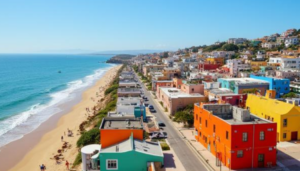

Portugal’s real estate market continues to boom, with house prices increasing by more than 25% in recent years. This surge is largely attributed to government policies designed to stimulate property buying and sustained demand, especially among young first-time buyers.
Rising House Prices Across Portugal
In 2024 and beyond, the average price of a home in Portugal has neared €250,000 in many regions, reflecting a consistent and strong appreciation. This real estate trend is being driven by both domestic and international buyers, but a remarkable factor is the growing number of young people eager to purchase their first home. Lower interest rates and government incentives have made housing investment more attractive, contributing to the continuing rise in Portugal’s property prices.
Government Stimulus Policies Boost Market Activity
To support home ownership, the Portuguese government introduced several policies, such as tax breaks and public guarantees for buyers under 35. These incentives have made it easier for young adults to enter the property market. However, the increased buying power and heightened demand they created have accelerated price growth; the house price index has climbed almost 27% since the launch of these measures, as demand continues to outstrip available supply.
Challenges Facing Homebuyers and Renters
The rising cost of homes in Portugal impacts not only the younger generation but also families across all age groups. This escalation in home values has made it more challenging for residents to buy, while also putting indirect pressure on the rental market—leading to higher rents. The demand for modern, energy-efficient homes in prime urban locations is particularly strong, intensifying competition and further increasing real estate prices.
Measures to Boost Housing Supply by 2026
To address the market imbalance, the Portuguese government is implementing new policies aimed at increasing the supply of affordable homes. By 2026, expected changes include a reduction in VAT for housing construction, streamlined building permit processes, and incentives geared toward affordable housing developments. The goal is to relieve upward pressure on prices, creating a more sustainable and balanced real estate market for buyers and investors alike.
Underlying Factors Shaping Housing Trends
Beyond government policy, several structural factors are influencing Portugal’s real estate trends. A scarcity of urban land, strong demand in major cities like Lisbon and Porto, and the growing popularity of suburban and peripheral areas all play a role in pushing prices higher. Additionally, today’s buyers seek modern amenities and energy efficiency, which increases competition for newly built homes and renovated properties.
Future Outlook: A Competitive Yet Evolving Market
As supply-side improvements are gradually implemented, Portugal’s housing market is expected to remain highly competitive. Properties in desirable areas are quickly snapped up, keeping prices elevated. Prospective homebuyers and investors should explore options in developing regions or consider new construction projects to find better value as the market evolves.
In summary: Portugal’s real estate market in 2026 is characterized by significant house price growth, fueled by demand and buyer-friendly policies. While new measures to increase the housing supply are in the works, successful navigation of this dynamic market will require careful planning and flexibility from buyers and investors. The coming years will be crucial in determining whether price increases will stabilize as new housing stock enters the market.