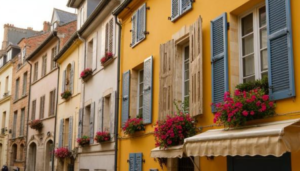

Portugal’s real estate market is facing a yearly shortfall of 14,000 homes, according to Engel & Völkers. As properties in Lisbon, Cascais, and the Algarve remain in high demand—especially among cash-rich foreign buyers—Portuguese home seekers are turning to emerging alternatives like Oeste, Gaia, and Setúbal for more affordable options.
Portugal’s Real Estate Market: Supply Shortages, New Hotspots, and Evolving Investment Trends
Portugal’s real estate market continues its remarkable run heading into 2026 and 2027, demonstrating resilience despite global economic and geopolitical turbulence. Amid ongoing issues like international unrest and inflation, the country’s property sector remains buoyant—propelled by persistent demand, low housing supply, changing buyer profiles, and new investment hotspots outside Lisbon and the Algarve’s famed Golden Triangle.
Key points:
- Portugal faces a shortfall of approximately 14,000 homes per year.
- Price growth continues, particularly in premium and coastal areas.
- International buyers are shaping urban property markets, often purchasing with cash.
- New regional alternatives such as Oeste, Gaia, Setúbal, and Portimão are rising.
- Government policy, credit access, and licensing rates are shifting supply and demand dynamics.
Let’s break down the most significant trends, price maps, and forecasts that define Portugal’s real estate market entering 2026 and beyond.
1. Acute Housing Shortage: 14,000 Homes Missing Annually
Supply and demand remain the defining axis of Portugal’s property boom. Leading consultancy Engel & Völkers, with support from the Marketing Research Institute, estimates an annual housing deficit of 14,000 units, a gap echoed in the Bank of Portugal’s Economic Bulletin (December 2025).
What’s fueling the shortfall?
- Persistent demand for both primary and secondary homes.
- Long construction cycles and persistent labor shortages.
- Insufficient pace of new project licensing, despite recent upticks.
Impact:
An undersupplied market means upward pressure on prices, with particular stress in metropolitan and coastal areas. Portugal’s housing crisis is changing not only where people live, but who can afford to buy.
2. Investment Surges and Market Resilience Amid Global Uncertainty
Despite global headwinds—conflicts in Ukraine and the Middle East, macroeconomic tightening—Portugal’s real estate sector not only endures but thrives. Engel & Völkers data show a 15.5% increase in transactions in the second quarter of 2025, with annual investment volumes surpassing €8.9 billion.
Why the resilience?
- The sector has lived through and adapted to a decade of both domestic and international crises.
- Portugal remains attractive to foreign buyers, investors, and digital nomads.
- Premium and lifestyle-driven purchasing continues at pace.
3. Price Maps: From Braga to the Algarve’s Golden Triangle
Portugal’s regional price differences offer a snapshot of polarized demand and market segmentation.
a. Northern Portugal
- Braga: €1,704/m²
- Guimarães: €1,728/m²
These cities anchor the affordable end, yet are increasingly popular with international buyers, students, and tech professionals.
b. Lisbon Metropolitan Area & Coast
- Lisbon: €3,215/m² (average, with recent easing due to government interventions and credit measures for youth)
- Oeiras: €3,117/m²
- Sintra: €3,164/m²
- Setúbal: €3,115/m²
- Oeste region: €3,103/m²
c. Alentejo & Comporta
- Comporta: €4,265/m²
A rising luxury market famed for “branded real estate” and international purchasers.
d. Algarve Luxury Corridor (Golden Triangle)
- Quinta do Lago: €13,256/m²
- Vale do Lobo: €9,252/m²
- Vilamoura: €7,864/m²
e. Other Algarve Markets
- Lagos: €4,500/m²
- Portimão: €2,619/m²
- Tavira: €2,997/m²
- Faro: €3,115/m²
f. Porto & Vila Nova de Gaia
- Porto: €4,284/m²
- Vila Nova de Gaia: €2,607/m²
Nearly €2,000/m² divides the two banks of the Douro, reflecting distinct market positioning.
4. New Hotspots: Oeste, Gaia, and Setúbal as Attractive Alternatives
With major urban and coastal centers pricing out locals and younger buyers, regions such as Oeste (West), Gaia, and Setúbal are rapidly gaining favor. These markets are distinguished by:
- Oeste: Emerging as the country’s second-fastest growing property area, drawing digital nomads and offering lifestyle-driven living.
- Gaia: Transformed into a luxury residential corridor from Canidelo to Madalena, with significant family and investment interest.
- Setúbal: Benefiting from Lisbon’s price migration, attracting buyers seeking more space and affordable options.
The increased interest in these regions is changing the traditional property hierarchy in Portugal.
5. Who Is Buying? Cash Buyers, Foreigners, and Credit Trends
Portugal continues to attract an international, cash-rich cohort, who dominate the highest price brackets in Lisbon, Cascais, and the Algarve. Key buyer profiles in 2026–2027 include:
- International Buyers: Mainly from the US, Brazil, and European Union nations; often purchase with cash, avoiding credit.
- Domestic Buyers: Increasingly seek alternatives outside major cities; benefit from government youth credit support and affordable mortgages in newly developing markets.
- Digital Nomads: Often begin as renters and transition to buyers, drawn to Oeste and other lifestyle-centered areas.
- Primary vs. Secondary Home Purchasers: In regions like Braga and Minho, purchases are split 50-50 between permanent residence and investment/secondary home—striking compared to Cascais-Estoril, where 75% are for own use.
6. New Construction: Licensing Trends and Market Constraints
Licensing for new construction has shown promise, increasing by about 10% in early 2026.
- Sintra Line: Licenses jumped 45% in 2024 and another 11% in 2025, with expectations of significant new supply arriving over the next 2–3 years.
- Portimão: Licensing activity soared 86.2%, especially for tourist rental properties.
However, the enduring challenges of lengthy construction cycles and labor shortages limit how quickly new supply can be delivered. The first quarter of 2026 saw a marked drop in new property listings, sustaining the tension between supply and demand.
7. Market Segmentation: Premium, Mid-market, and Affordable Tiers
Regional price differentials fuel marked market segmentation:
- Premium Segment: Led by the Algarve’s Golden Triangle, Comporta, and premium Lisbon locations.
- Mid-Market/Affordable: Braga, Guimarães, Setúbal, and emerging areas in Oeste and Gaia offer alternative entry points.
- Ultra-luxury: Driven by branded real estate in Comporta and the upper echelons of Cascais and Algarve.
This segmentation creates both polarization and opportunity—families “cashing out” of Lisbon to buy larger homes in Setúbal or retired individuals opting for the South Bank.
8. Government Policy and Demand Shifts
Recent government measures—primarily targeting credit access for young buyers—are having a measurable impact.
- In Lisbon, a more than 25% drop in the average transaction price partly reflects these policies stimulating demand for affordable price segments.
- Cheaper credit and targeted subsidies are redirecting young buyers to new stock and developing regions, easing some pressure on overheated central urban markets.
9. International Brands and Ultra-Luxury
The rise of “branded real estate” is particularly evident in Comporta. International luxury brands like Six Senses, Costa Terra, and JNcQUOI are anchoring ultra-luxurious developments designed to capture global high-net-worth interest.
- Off-plan sales and exclusive secondary residences dominate the area.
- Lisbon, too, increasingly competes with international standards in terms of amenities and branded development.
10. Outlook for 2026 and Beyond
Forecasts from Engel & Völkers and other market observers anticipate continued growth—though price rises are expected to moderate.
- Premium and youth market segments should see increased activity due to supportive tax and credit regimes.
- Regions like Oeste, Gaia, Setúbal, and Portimão are set for above-average growth as they absorb pressure from traditional hotspots.
- The overseas demand is expected to remain robust, especially as Portugal’s quality-of-life factors (climate, safety, health, lifestyle) underpin the “living destination” appeal.
Quotes from Industry Leaders:
“The real estate market is very resilient, it has adapted to all situations in the last 10 years, national and international political crises.”
— Engel & Völkers executive“Some regions will continue to rise in price, but growth will be more moderate in 2026.”
— Market study presentation, Lisbon
11. Key Takeaways for Buyers and Investors
- Supply Constraints = Price Support: Portugal’s annual shortage of 14,000 homes is unlikely to be resolved quickly due to construction and labor bottlenecks.
- Regions Matter: The greatest opportunities exist in rising regions—Oeste, Gaia, Setúbal—where prices are more accessible, and demand is accelerating.
- Cash Is King at the Top: Foreign buyers often operate outside the banking system, driving up prices at the premium end.
- Government Support Is Shifting Demand: Credit facilitation is helping young and first-time buyers, but supply still lags new demand.
- Invest for the Long Haul: With persistent shortages and international demand, the market remains favorable for long-term investors seeking solid asset growth.
The Shape of Portugal’s Real Estate in 2026–2027
Portugal’s real estate market has never been more dynamic, with traditional hotspots jostling alongside new regions driven by lifestyle buyers, remote workers, and international cash buyers. An enduring housing shortage will likely support prices for the foreseeable future, while local and international policies begin to direct demand toward overlooked regions.
For investors, homebuyers, and industry watchers, the opportunities across Portugal’s real estate market are nuanced: location, buyer profile, and market timing are more critical than ever in navigating this fast-evolving landscape.
For ongoing updates on trends and opportunities in Portugal’s real estate market, keep following our news and analysis.
Tags:
Portugal real estate, housing shortage Portugal, property prices Portugal, Lisbon real estate, Algarve Golden Triangle, property investment Portugal, real estate trends, Setúbal, Oeste region, Cascais, international buyers, luxury Portugal, property opportunities
Tags:
Portugal real estate, housing shortage Portugal, Lisbon property market, Algarve Golden Triangle, property investment Portugal, international buyers Portugal, real estate trends, Setúbal real estate, Oeste region property, Cascais investment, Portugal home prices, luxury properties Portugal, property hotspots Portugal