Spain’s real estate market experiences a boom in building conversions, with 392,000 sqm transformed into homes and hotels in 2025. CBRE reports most projects began as offices, highlighting growing demand for residential and tourist properties.
Building Conversions Surge in Spain’s Real Estate: Residential and Hotel Sectors Lead Adaptive Reuse Boom in 2025
The Spanish real estate market is at a pivotal moment. As cities evolve and property needs shift, Spain is witnessing an unprecedented surge in building conversions. According to data from CBRE, 2025 marks an all-time high for building adaptation in the country, with 392,000 square meters—spread across 73 projects—transformed through change-of-use operations. This trend is not only altering the urban landscape but also driving investment, optimizing underutilized stock, and responding to new market dynamics in residential and tourism sectors.
This comprehensive article explores the forces behind this conversion boom, analyzes key investment data, highlights regional trends, and provides insights from real estate experts about the future of Spain’s property market.
Rising Trend: Why Building Conversions are Booming in Spain
Adaptive reuse—transforming existing structures for new purposes—has become a vital strategy in Spain’s real estate ecosystem. The 2025 figures, up slightly from the previous year’s 70 projects, reveal a growing appetite for repurposing, particularly in response to dynamic residential and tourism needs.
Key Drivers
- Changing Urban Needs:
Cities are rethinking office space requirements in the wake of hybrid work and digital transformation, leaving sizable properties ripe for conversion. - Growing Residential Demand:
Spain’s shift towards urban living, coupled with housing shortages and changing lifestyles, has fueled demand not just for traditional homes, but also for flex-living, student residences, and premium developments. - Tourism’s Resilience:
The country’s position as a global tourism leader ensures continuous appetite for hotels and tourist apartments, especially high-end options in prime locales. - Sustainability and Circular Economy:
Reusing buildings aligns with environmental targets, reduces construction waste, and promotes more efficient use of urban resources.
Detailed Breakdown: The 2025 Conversion Landscape
Total Change-of-Use Operations
- Projects Completed: 73 in 2025 (vs 70 in 2024)
- Square Meters Mobilized: 392,000 sqm – highest on record
- Segments Converting:
- 49% Residential properties (near 192,080 sqm)
- 42% Hotel/tourist-oriented projects (around 164,640 sqm)
CBRE’s analysis confirms that nearly 90% of all conversions in 2025 addressed living and tourism needs. Residential adaptations included everything from high-end housing to flexible accommodation and student dormitories, reflecting demographic shifts and changes in living preferences. Meanwhile, the hotel segment’s share points to robust tourism—a key pillar of the Spanish economy.
Source of Converted Assets
Notably, the majority—55%—of adapted buildings were originally office spaces. This equates to approximately 240,000 square meters. With many businesses reducing their physical footprints, redundant office buildings offer prime opportunities for transformation into residences or hotels.
Additionally, a dozen conversions tackled alternative assets: disused historic sites, such as old cinemas, museums, and even wineries, breathing new life into culturally significant structures.
Geographic Spread: Madrid’s Lead and the Rise of Secondary Cities
Madrid Remains the Hub
No surprise, Madrid led the charge with 35 projects, representing 48% of all conversions. A trend within Madrid:
- 70% of conversions occurred inside the M-30 ring, the city’s core, with 71% originating from office buildings.
The capital’s high demand for premium accommodations and upmarket tourist experiences has rendered old office stock highly valuable for transformation.
Secondary Cities on the Rise
A significant 52% (38 projects) of conversion operations took place outside Madrid, signaling a growing spread to secondary cities and regions:
- Andalusia led (21 projects)
- Basque Country (6)
- Valencian Community (4)
This diversification indicates investors are eyeing opportunities beyond the traditional powerhouses, capitalizing on local tourism booms and residential growth in these regions.
Investment Insights: Volume, Trends, and Buyer Profiles
Investment Volume
- 2025 Total: €823 million linked directly to change-of-use operations (down 11% YoY)
- Number of Transactions: 45 out of 73 involved real estate deals
The slight decline reflects an increasing focus on secondary locations, where prices per square meter are typically lower, and the absence of large, €100+ million deals seen in prior years.
Madrid’s Dominance
The capital continues to punch above its weight:
- 24 transactions (just over half the national total)
- €689 million in investment (83% of value nationwide)
Buyer Profiles
- 56% Domestic Investors: Spanish nationals maintained a strong presence.
- International Capital: Significant flow from Europe (notably the UK and France) and Latin America, with Venezuela and Argentina standing out.
- Types of Buyers: Private equity, hotel operators, local developers, and institutional investors all played roles.
Market Analysis: Why Conversion is a Structural Trend
CBRE’s research underscores that these conversions are not merely opportunistic, but a structural shift in Spanish real estate. Several factors ensure this momentum will endure into 2026 and beyond:
- Enduring Residential and Tourist Demand:
High demand for both living spaces and tourist accommodations continues to outstrip the available new build supply. - Underutilized Stock:
Outdated or poorly located offices and other buildings present continuous opportunities for value-creating redevelopment. - Regulatory Incentives:
Several autonomous regions have streamlined zoning regulations or offered incentives to encourage the reconversion of obsolete buildings. - Sustainability:
Adaptive reuse is increasingly framed as a win-win—cheaper, faster, and greener than new construction.
Challenges and Risks
While the trend is positive, there are hurdles:
- Urban Planning Regulations:
Change-of-use initiatives can encounter bureaucratic delays or zoning hurdles, especially in historic centers. - Construction Costs:
Although reuse is generally cheaper than building anew, retrofitting can bring unexpected expenses, especially in older or protected buildings. - Market Saturation:
Over-conversion in prime areas, especially for tourist accommodation, risks crowding the market or triggering community backlash. - Financing:
As banks remain cautious on real estate lending, especially in less proven secondary locations, securing project finance can be challenging.
Case Studies: Spotlight on Notable Building Conversions
1. Iconic Office-to-Residential in Madrid
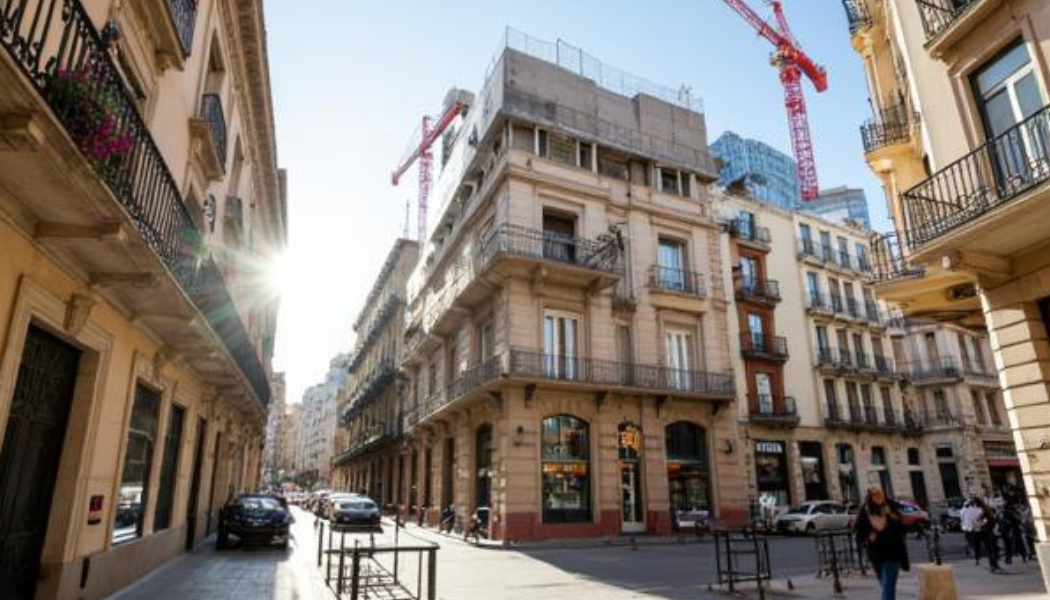
One of Madrid’s most high-profile office-to-residential conversions took place in the Salamanca district, where a 1960s office block was reimagined as premium apartments and short-stay flats—fetching top market rents and leveraging proximity to cultural highlights.
2. Heritage Hotel Developments in Andalusia
In Seville, a former winery was converted into a boutique hotel, combining heritage features with modern amenities. This project not only revitalized a neglected landmark but also boosted local tourism and added employment opportunities.
The Future: What Lies Ahead for Spain’s Building Conversions?
With the pipeline of change-of-use projects remaining robust into 2026, industry experts agree that adaptive reuse will continue to shape Spain’s real estate for years to come. Key trends to watch include:
- Expansion of Alternative Living Concepts:
Growth of co-living, serviced apartments, and student accommodations in both core and secondary cities. - Further Heritage Revitalization:
Innovative projects turning forgotten cultural assets into magnets for tourism and urban vibrancy. - Sustainability as a Differentiator:
Incorporation of green technologies and sustainable materials in conversion projects will become standard. - Public-Private Partnerships:
Collaborations between government, developers, and investors to unlock complex sites and drive urban renewal.
The latest data confirms that Spain’s real estate market is in the midst of a historic transformation. With nearly 400,000 square meters of underused spaces converted for new life in 2025—primarily for living and tourism—conversion projects now play a central role in the industry. As investor appetite remains strong, especially in Madrid and surging secondary locations, and as more obsolete buildings enter the pipeline, adaptive reuse will continue as both a market imperative and a catalyst for innovation in Spain’s urban future.
Whether you are a potential investor, developer, or simply following Spain’s vibrant property sector, all signs point to continued opportunity—and the evolving face of Spanish real estate.