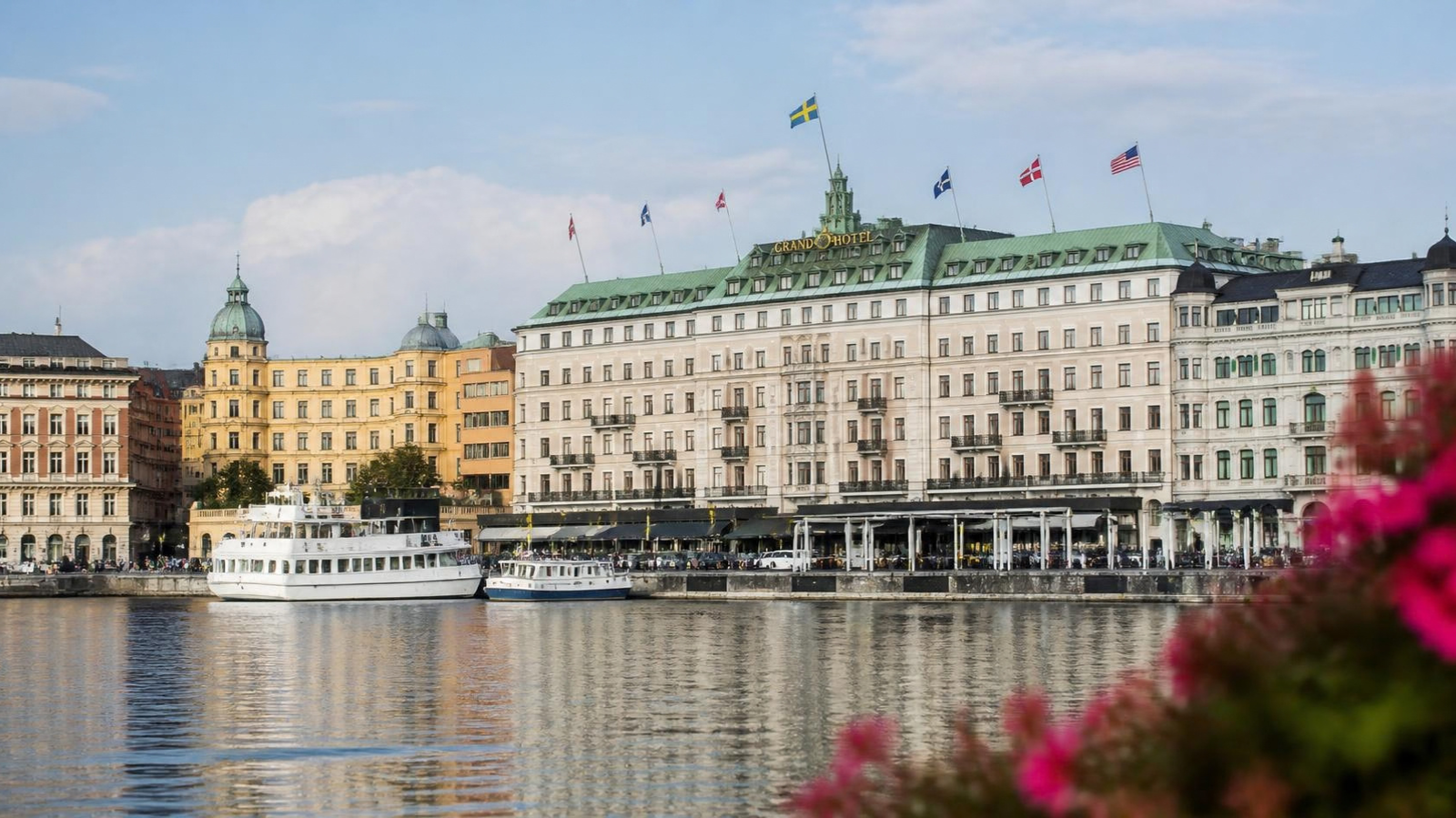
The Swedish hotel investment market is experiencing rapid growth in 2026, driven by strong tourism demand, increased defense spending, and real estate development. Discover why Sweden’s hotel industry is outperforming other commercial property sectors and attracting international hotel investors.
Hotel Investment Boom in Sweden: Tourists, Defense, and Real Estate Drive a Record-Breaking Market
Sweden is in the midst of an unprecedented hotel investment surge. An enviable combination of robust tourism growth, swelling international interest, increased defense spending, and strategic real estate investments has transformed the country’s hotel industry into one of the most stable sectors in commercial real estate. With historic highs in guest nights and accommodation revenues, Sweden’s hotel market is outperforming not only other segments of commercial property but also defying broader economic uncertainty.
Sweden’s Hotel Industry: A Post-Pandemic Powerhouse
From Domestic Resilience to International Magnet
In the wake of the COVID-19 pandemic, Sweden’s tourism industry rapidly pivoted from relying on domestic travel to attracting a global clientele. According to the latest Cushman & Wakefield report, Swedish hotels recorded a staggering 70.8 million commercial guest nights in 2025, marking a 2.5 percent increase over the previous year. Even more impressive, accommodation revenues soared to a record SEK 40.9 billion, with the upward trend persisting into the first half of 2026.
This strong momentum echoes findings previously reported in Swedish business circles: rather than stagnating post-pandemic, Sweden’s tourism sector has reinvented itself as an international success story, drawing visitors and investors alike.
Hotel Sector Resilience Amid Economic Volatility
While other commercial real estate sectors—particularly office spaces—struggle with vacancies, weak tenant mixes, and post-pandemic uncertainty, the Swedish hotel sector confronts the enviable “problem” of escalating demand. As more people look for overnight stays, hotel operators are capitalizing on higher occupancy and improved pricing power, fueling continued investor interest.
International Tourism on the Rise: Sweden Finds New Fans
Surge in International Guest Nights
Data from the twelve months leading up to July 2026 reveals that international guest nights in Swedish hotels surged by an astonishing 8.9 percent. Germany remains the largest foreign contributor of hotel guests, followed closely by Norway and Denmark, with American visitors also increasing their presence significantly.
By 2025, international travelers accounted for 27.3 percent of all guest nights—a figure notably higher than pre-pandemic levels. This influx of foreign visitors is amplifying the revenue base for Sweden’s hotels and diversifying demand beyond domestic travel.
Shifting Beyond Major Cities: The North Beckons
Traditionally, Stockholm, Gothenburg, and Malmö have enjoyed the lion’s share of international attention. However, shifting traveler preferences are making a major impact in northern Sweden. Fueled by a global appetite for authentic experiences, nature tourism, and the trend for “coolcations”—travels in search of cooler summer climates—regions like Norrbotten are witnessing rapid growth.
Cushman & Wakefield’s report singles out the draw of the Northern Lights, Arctic adventures, and pristine wilderness as magnets for international guests, fundamentally changing the geographic profile of Sweden’s hotel demand. Now, tourists are just as likely to book a night under shimmering auroras in Kiruna as they are to enjoy urban nightlife in Södermalm.
The Unlikely Hotel Guest: Sweden’s Defense Sector
Military and Industrial Demand Bolsters Occupancy
Perhaps the most dramatic transformation in the Swedish hotel landscape comes not from leisure but from business and government. Cities such as Kiruna, Gällivare, Luleå, and Skellefteå have historically received guests driven by mining, industrial, and energy sector activities. In recent years, they’ve seen further demand fueled by massive infrastructure and investment projects.
Even more significant is the swelling presence of Sweden’s defense establishment. Towns like Boden, Karlskrona, Linköping, and Skövde are reporting increasing hotel demand linked directly to rising defense spending and military operations. For hoteliers, this represents a strategic boon: while leisure tourists may stay a few nights, military and industrial projects often entail months or even years of ongoing demand from consultants, contractors, and support staff.
Beyond Seasonal Fluctuations
This broadening of demand makes Sweden’s hotel sector far less vulnerable to the seasonal swings typical of tourist-dependent markets. Instead, weekday occupancy rates are getting a powerful boost from the steady flow of defense and industrial guests—providing a stabilizing counterweight to the cyclical weekend tourism trade.
Stockholm Pulls Away: Urban Growth Outpaces the Market
Higher Occupancy, Higher Revenues
While regional shifts are significant, Stockholm still leads the pack in terms of hotel market performance. Occupancy rates in the Swedish capital rose from 70 to 72 percent in the first half of 2026, driven by both international tourism and a strong business travel segment. At the same time, average room prices climbed from SEK 1,987 to SEK 2,052, representing a tangible increase in hotels’ pricing power.
The industry’s central metric, revenue per available room (RevPAR), surged by 6.5 percent over this period. On a national scale, RevPAR was up from SEK 641 to 701, further underscoring the robust health of Sweden’s hotel industry. While Stockholm remains the star performer, several regional cities are demonstrating similar upward momentum.
Real Estate Investment Returns: Hotels Attracting Capital Again
Transaction Volumes and Key Deals
Buoyed by operational growth, Swedish hotel properties are once again hot commodities for investors. In 2025, hotel property sales hit approximately SEK 4.3 billion, reflecting both the growing institutional appetite for hotels and their increasingly central role in diversified real estate portfolios. While the first half of 2026 saw a preference for smaller, property-specific deals and development projects, the trend remains overwhelmingly positive.
Two high-profile transactions signal renewed investor confidence:
- Revelop’s acquisition of ten Good Morning hotels.
- Eiendomsspar’s purchase of Scandic Malmö City for SEK 318 million, completed at an attractive reported yield of 6 percent.
Such transactions highlight a key message emerging from industry reports: the Swedish hotel sector is no longer just a “play” on vacation travel and conference traffic. It is, instead, a diversified platform meeting the needs of tourism, defense, industry, and major public investments with equal aplomb.
Why Hotels Are the New Darling of Real Estate Capital
Hotels offer flexibility and long-term resilience, standing out as a relatively safe harbor amidst broader property market turbulence. With demand now driven from multiple sectors—including infrastructure, government, industry, and international travelers—investments in Swedish hotels present fewer cyclical risks and a more predictable return profile. Real estate capital, always alert to stable and growing income streams, is thus flowing back into the sector with enthusiasm.
Key Drivers of Sweden’s Hotel Investment Boom
1. Diversification of Demand
The unique blend of leisure, industrial, and defense-related travel is insulating Swedish hotels from the volatility that can afflict more concentrated markets. This diversification enhances operational stability, boosts average stay durations, and supports more stable revenue patterns through the year.
2. Attraction of International Travelers
Rising numbers of foreign tourists, from Europe and America especially, are expanding the customer base for Swedish hotels. As Sweden’s destination profile grows, so too does the international share of guest nights, increasing both occupancy and room rates while raising Sweden’s tourist export revenues.
3. Urban and Regional Strength
Stockholm remains a powerhouse within the market, but emerging destinations in the north and in traditionally industrial towns are providing a wider map for investors and operators. The expansion of attractive destinations is also bringing hotel development projects to areas previously overlooked by major brands and investors.
4. Real Estate Returns Outperforming Other Sectors
Hotel investments have outpaced office and retail yields, attracting new rounds of capital despite economic headwinds. The double-digit growth in RevPAR and occupancy, coupled with strategic acquisitions from institutional investors, signals a robust, long-term investment case.
5. Alignment with National Priorities
Sweden’s increased defense spending, industrial expansion, renewable energy projects, and public investment in “future-proof” northern communities are all feeding into elevated, sustained demand for hotel accommodations at all price points. This alignment with national economic and social priorities is effectively futureproofing hotel investments against shocks from any one segment.
Regional Deep Dive: North Sweden Becomes a Global Hotspot
Northern Sweden, long prized for its natural beauty, is now at the center of significant hotel investment and demand. Here’s why:
- Nature tourism: With the rise of Arctic and wilderness travel, international visitors are seeking out experiences like dog sledding, ice hotels, and witnessing the Northern Lights.
- Industrial growth: Major investments in mining and renewable energy projects are drawing extended-stay guests for work-related travel.
- Defensive infrastructure: Towns such as Boden and Luleå are seeing increased military activity, translating to steady weekday demand for local hotel operators.
The combination of business, defense, and leisure travel in these regions provides a level of stability and diversification unmatched in most other markets.
Investor Outlook: Is the Swedish Hotel Boom Sustainable?
With record-breaking guest nights and robust revenue performance, investors and analysts are increasingly bullish on the long-term outlook for the Swedish hotel sector.
Risks and Rewards
Like any commercial real estate class, hotel investments are not without risk. Factors such as geopolitical instability, macroeconomic shocks, or a weakening in Sweden’s national brand could impact inbound travel. However, the current wave of demand diversification—from defense to industry, from nature tourism to conferences—suggests that Swedish hotels are well-insulated from many of these challenges.
Future Trends Shaping Sweden’s Hotel Market:
- Smart hotel technology: Digitization and automation are enhancing guest experiences and operational efficiencies, a key area for value enhancement and competitive advantage.
- Sustainable and eco-friendly hotels: Sweden’s reputation for environmental consciousness is drawing both leisure and corporate travelers seeking sustainable accommodations.
- Experiential travel: The demand for local, authentic experiences is influencing hotel design and amenity choices, especially in remote and northern destinations.
- Boutique and mixed-use developments: Investors are targeting boutique hotels and mixed-use projects that blend accommodation with retail, F&B, and even co-working spaces, diversifying revenue streams.
Sweden’s Hotel Sector—A Model for Resilient Growth
The Swedish hotel investment boom is more than just a post-pandemic rebound story. It’s a case study in resilience, diversification, and proactive reinvention. As tourism becomes more international, defense and industry provide stable demand, and investment capital returns to the sector, Swedish hotels are primed for continued growth.
Now, with Stockholm setting the pace and regions like Norrbotten and the industrial north drawing unprecedented interest, Sweden’s hotel industry is reshaping not only its own market, but also providing valuable insights for global investors and operators on how to future-proof hospitality investments.
As the rest of the commercial real estate world ponders its recovery, the message from Sweden is clear: innovation, diversification, and strategic investment can turn even the most challenging circumstances into booming opportunities.
Summary of Key Statistics for Sweden’s Hotel Investment Boom:
- 70.8 million commercial guest nights in 2025 (up 2.5% from prior year)
- SEK 40.9 billion in total accommodation revenues (all-time high)
- 8.9% increase in international guest nights (July 2025–July 2026)
- 27.3% of all guest nights from foreign visitors in 2025 (more than pre-pandemic)
- 6.5% rise in RevPAR in Stockholm (first half of 2026)
- SEK 4.3 billion in hotel property transactions in 2025
- Key deals: Revelop’s purchase of ten Good Morning hotels; Eiendomsspar’s SEK 318 million buy of Scandic Malmö City (6% yield)
If you’re considering hotel investment in Sweden or seeking the latest on Scandinavian hospitality trends, this is a landscape to watch—dynamic, resilient, and full of opportunity.
Tags:
Sweden hotel investment, Swedish tourism, hotel industry Sweden, real estate investment, defense sector, international travel Sweden, Stockholm hotels, Norrbotten tourism, commercial property, Scandinavian hospitality
Tags:
Sweden hotel investment, hotel market Sweden, Swedish tourism, real estate Sweden, investment trends, defense spending Sweden, Stockholm hotels, Norrbotten tourism, hotel industry reports, commercial real estate Sweden