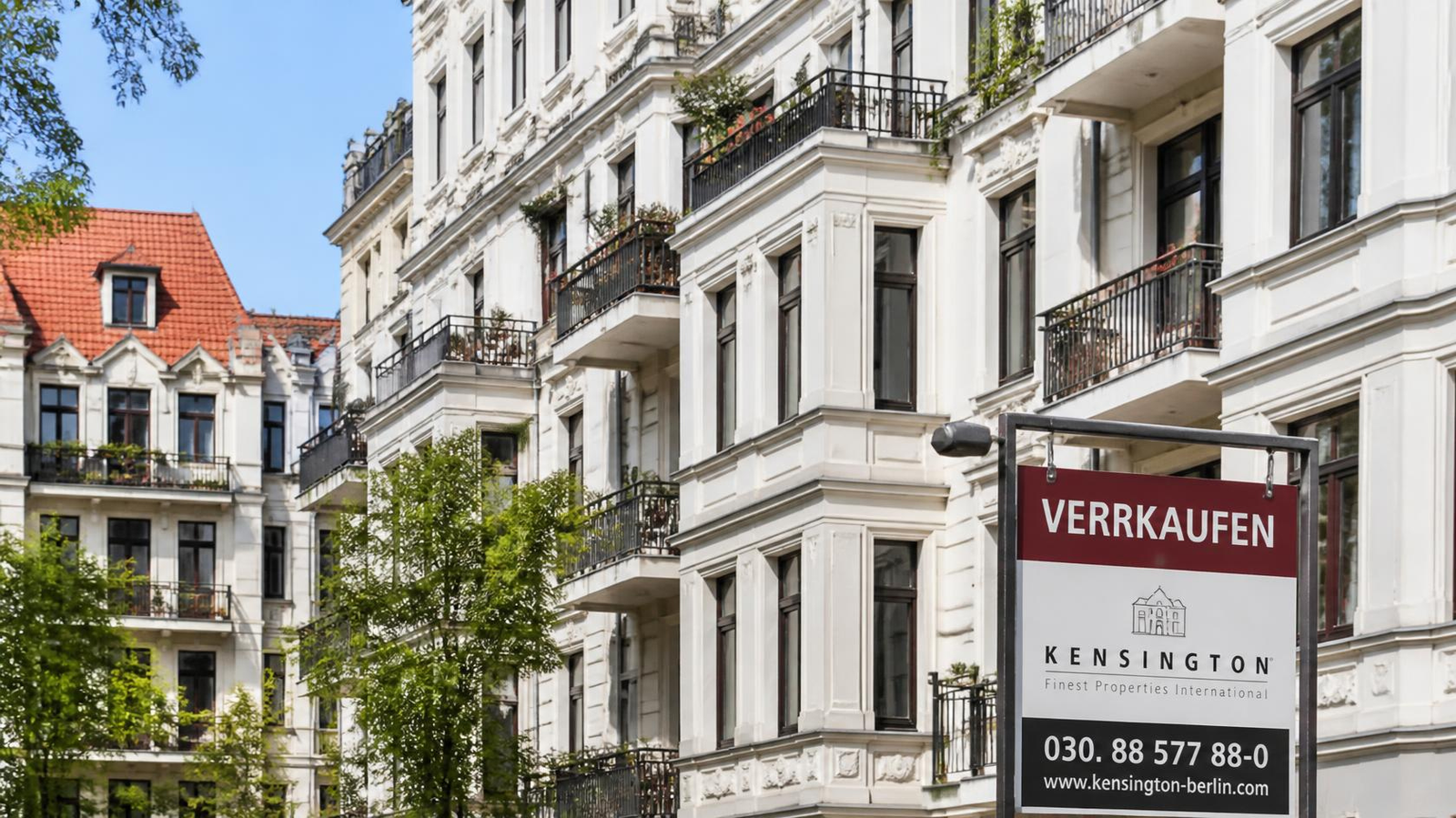
A recent JLL analysis reveals that over 70% of Germany’s real estate sales from 2024 to mid-2026 were voluntary, with asset managers and private investors leading the way. However, 93% of open-ended fund sales were forced due to liquidity needs and capital outflows. Find out how financial pressures and a projected €4 billion refinancing gap are influencing the German property market.
Germany’s Real Estate Sales: Market Volatility, Forced Transactions, and the Outlook to 2026
Germany’s real estate market is often considered a pillar of stability within the broader European property landscape. However, from 2024 leading up to 2026, major analytic firms such as JLL have reported increasing volatility, shifting trends in sales motivation, and emerging structural risks. On the back of €87 billion transaction volume within this period, the motives behind property sales have come under a critical lens. Voluntary sales dominate the scene, but forced sales—driven primarily by open-ended real estate funds and financial distress—are increasingly shaping the market narrative.
Voluntary vs. Forced Sales: The Current Landscape
Key Figures and Trends
According to JLL’s analysis, over 70% of Germany’s property sales between 2024 and mid-2026 were voluntary. These transactions were generally carried out by asset managers, fund managers, project developers, corporations, and private investors who took advantage of strategic market conditions to sell off assets.
However, a significant one in four property sales was not a matter of timing or portfolio optimization. Instead, these were driven by necessity, arising from liquidity constraints or outright insolvency:
- Voluntary Transactions: 70%+ of total sales volume
- Sales Due to Financial Pressure: 17%
- Sales Due to Insolvency: 10%
This shift brings into sharp focus the risks facing certain categories of sellers, especially as the macroeconomic environment remains volatile post-pandemic and amid tightening monetary policy in the Eurozone.
What Drives Voluntary Sales?
The motivations for voluntary real estate sales are myriad. For asset and fund managers, capitalizing on favorable market conditions or rebalancing portfolios can unlock value and mitigate exposure to market segments perceived as higher risk. Project developers and private investors often act to realize gains or reallocate capital to new ventures. German corporations facing a shifting business landscape may liquidate non-core assets to strengthen balance sheets.
JLL’s data reveals that for these groups, voluntary sales make up over 80% of transaction volumes in the recent period. This indicates robust investor confidence—at least among those not up against financial strain.
Open-Ended Real Estate Funds: Facing Unprecedented Pressure
The Unique Plight of Open-Ended Funds
While most market players can approach transactions opportunistically, open-ended real estate funds are an exception. According to JLL, a staggering 93% of sales volume from open-ended funds within the observed timeframe was forced, rather than voluntary. The reason? Most of these funds have been compelled to liquidate assets due to significant capital outflows: investors, seeking liquidity or reacting to declining property values and performance concerns, have been pulling their money out at an increasing rate.
Forced Sales and Market Impact
Forced selling by open-ended funds substantially shapes the market environment. Not only do these funds have to accept less-than-ideal terms in order to generate liquidity, but their selling pressure can ripple through associated property valuations, potentially triggering a downward spiral in asset prices, especially in less resilient segments such as office real estate.
These trends have tangible consequences for property values, market liquidity, and the overall stability of the German real estate sector.
The Financing Squeeze: Debt Markets and the Refinancing Gap
Deteriorating Credit Conditions
JLL’s research identified lack of debt financing as the motivation behind 11% of total transaction volume. Since Q3 2023, tightening lending standards by German banks have increased scrutiny on commercial property loans. Rising interest rates and stricter regulatory requirements have made refinancing more challenging, leaving some property owners with little choice but to sell assets.
The Brewing Office Market Refinancing Gap
One of the largest looming threats is a projected refinancing gap of approximately €4 billion in the office property segment come 2026. Many office landlords, previously relying on cheap debt and high occupancy rates, are now confronted with rising vacancies and falling space demand amid evolving work patterns.
Although JLL forecasts that this refinancing gap is likely to close over the next few years as alternative lenders and potential buyers step in, the immediate impact is heightened pressure on owners to divest before terms worsen further. The interplay between financing constraints and market confidence will determine the pace and scale of this correction.
The Surge of Forced Sales: What to Expect in Late 2026 and 2027
Structured, But Not Panicked
JLL anticipates a noticeable uptick in forced property sales in Germany during the remainder of 2026 and into 2027. However, not all of these transactions will resemble the fire sales associated with financial crises. Many will occur as part of structured sales processes, where sellers still have the opportunity to solicit bids and potentially secure relatively favorable terms, even if they lack true bargaining power.
This new paradigm may shift market dynamics, presenting opportunities for well-capitalized investors while raising risks for overleveraged or illiquid property owners.
Factors Influencing the Trend
Several factors will drive the proportion of forced sales:
- Capital Outflows from Real Estate Funds: Continued investor withdrawals—especially from open-ended funds—remain a wildcard.
- Rising Interest Rates: As the ECB maintains or increases rates, more owners will find themselves squeezed when refinancing debts, adding to the forced sales pipeline.
- Delayed Distress: Some distressed owners, who have thus far managed to extend credit facilities or delay insolvency, may be unable to hold out much longer.
- Regulatory Pressure: Tighter lending and capital rules for banks, coupled with new requirements for sustainability and energy efficiency in the property sector, may accelerate asset disposals.
- Investor Caution: Buyers’ appetite for risk is muted, especially for non-core, lower-quality assets. Discounted sales may be necessary to attract deals.
Implications for Investors and Market Stakeholders
Buyers’ Market on the Horizon
With more forced sales expected in the coming quarters, buyers—especially those with ready capital—are likely to encounter increasing opportunities, particularly in the commercial real estate space. The dichotomy between stabilized, core assets and value-add or distressed assets is widening, with the latter offering greater upside for sophisticated investors willing to take calculated risks.
Price Corrections and Value Opportunities
As the volume of motivated sellers grows, downward pressure on property prices is probable, especially in sectors struggling with structural headwinds such as offices and certain retail. However, this also paves the way for repricing and the restoration of more normalized risk/reward ratios.
The Risks of Illiquidity
For owners who lack the financial flexibility to weather reduced property values or manage refinancing, illiquidity presents a significant threat. Sophisticated owners may preemptively sell assets, possibly taking smaller losses now rather than risking fire-sale conditions under worse market terms in the future.
Broader Economic Context
Macroeconomic Uncertainties
The German economy, the engine of the Eurozone, faces its own set of headwinds, including subdued growth, geopolitical uncertainty, and industrial transition challenges. While inflation appears to be moderating, the central bank’s focus on price stability means the era of ultra-cheap credit is unlikely to return soon—impacting property yields and financing costs alike.
Structural Changes in Property Demand
The shift towards remote and hybrid work styles has recalibrated demand for office space. Many occupiers are downsizing or seeking flexible lease terms, further complicating the outlook for office landlords and investors.
Regulatory and Legal Considerations
Bank Lending Standards
Germany’s banking regulator, BaFin, has instructed banks to scrutinize commercial real estate lending more closely, leading to a reduction in available leverage and stricter covenants for new loans. For project developers, this means higher equity requirements or restructuring project timelines.
ESG and Sustainability Pressures
With the EU’s ambitious climate goals, new regulations focusing on building energy efficiency are coming into force. Owners of older, less efficient assets may be forced to either invest substantial sums in retrofits or sell to buyers willing and able to undertake such upgrades.
Outlook: A New Market Equilibrium Emerging
JLL’s Long-Term Projections
JLL’s outlook through 2026 and beyond suggests that, while the current cycle of forced sales and refinancing stress has yet to peak, the German real estate market is likely to stabilize as distressed assets are reabsorbed by capital-rich investors and new financing solutions emerge.
- Refinancing Gap Closing: By 2026, JLL expects much of the €4 billion office refinancing gap to close as lenders, private equity, debt funds, and other alternative financiers fill the void left by traditional banks.
- Stabilization of Fund Flows: Open-ended funds will likely rightsize over the coming years, curbing the pace of capital outflows and subsequent forced sales.
- Normalization of Pricing: As distressed sales clear out, market values may reset, enabling more predictable price discovery and transaction activity.
Strategic Recommendations
For sellers, timing and proactive engagement in structured sales processes will be essential to avoid deeper discounts. For buyers, patience and due diligence are paramount, as the window for opportunistic acquisitions may widen before a recovery phase materializes.
The interplay between voluntary and forced real estate sales in Germany is redefining strategies for investors, fund managers, and asset holders. While the majority of recent transactions have been conducted on a voluntary basis, mounting pressures on open-ended funds and certain distressed owners signal an era of increased forced sales—albeit conducted more orderly than in past crises.
With a projected €4 billion refinancing gap in the office sector by 2026, and a transforming financing landscape, the remainder of the decade will be pivotal in setting the trajectory for Germany’s real estate market. Stakeholders who can navigate the evolving risk landscape with agility and foresight stand to benefit as the market seeks a new equilibrium in the wake of ongoing challenges and changes.
Tags:
Germany real estate sales, forced property sales Germany, open-ended real estate funds, JLL real estate market analysis, German office market, real estate refinancing, property investment Germany, property market trends
Tags:
Germany real estate sales, forced property sales Germany, open-ended real estate funds, JLL real estate market analysis, German office market, real estate refinancing, property investment Germany, property market trends