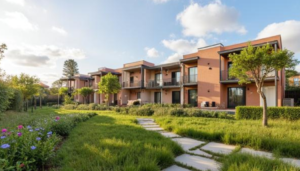

Spain’s residential real estate prices are forecast to rise by 6% to 9% in 2026, driven by supply shortages and high demand. Explore detailed market analysis, urban trends in Madrid and Barcelona, rental yields, new builds, and rehabilitation investment shaping the Spanish property landscape.
Spain’s Residential Real Estate Prices Set to Climb Further: 2026 Market Review, Insights, and Regional Breakdown
Spain’s residential real estate market is gearing up for another year of robust activity and price increases, as confirmed by Solvia and the Association of Registrars. With home values poised to rise by between 6% and 9% in the first half of 2026 and supply shortages persisting, industry experts expect continued upward pressure on both purchase prices and rental rates. This in-depth news analysis explores the key market drivers, supply dynamics, regional breakdowns, rental yields, and renovation trends that will define Spain’s residential real estate landscape in 2026.
Spain’s property sector, long a favored investment destination for both domestic and international buyers, closes 2025 on a historic high note. The latest data indicate that average sale prices hit €2,354/m², while transaction volumes rose by 2.2% to 178,270 operations, reflecting a sustained appetite for residential assets. However, beneath the surface lies a market grappling with chronic structural issues: a growing gulf between eager buyers and limited new supply.
Looking ahead to 2026, forecasts from leading consultancy Solvia signal residential price growth of 6%–9% by mid-year. Sales activity will remain robust, yet the lack of available homes, especially in major cities and high-demand coastal areas, will keep the market firmly tilted in favor of sellers.
2026 Price Forecast: A Market Under Strain
At the heart of Spain’s residential property outlook is a key dynamic: demand persistently outstripping supply. Solvia projects sale price increases between 6% and 9% for the first six months of 2026. This outlook is predicated on a confluence of factors:
- Limited inventory, leading to more competition among buyers.
- Rising construction costs, which impact both new builds and renovations.
- Favorable economic conditions, supporting consumer confidence and mortgage activity.
- Continued access to credit, albeit with lenders remaining selective.
This set of market drivers will likely keep pressure on prices until new supply can make significant inroads against pent-up demand—a scenario that industry participants do not expect to see materialize before 2027 or later.
Home Sales Trends and Supply-Demand Imbalance
Sales Growth:
Solvia anticipates residential sales transactions to expand by 3%–5% year-over-year in early 2026. Strong buyer interest is sustained by Spain’s appeal as a stable property market, competitive yields, and attractive lifestyle factors.
Supply Constraints:
However, the shortage of available properties is a growing hurdle. In the most popular urban and coastal markets, even determined buyers are facing limited choices, resulting in bidding competition for:
- Well-priced, quality resale homes.
- New builds in desirable neighborhoods.
- Properties offering high rental potential.
Supply limitations are acting as both a brake on transaction growth and an accelerant for price inflation, especially for prime and well-located stock.
New Construction Bottlenecks and Rehabilitation Investment
The inadequacy of new housing completions is a central theme in all 2026 forecasts:
- Permits Required: While Solvia expects building permits to increase by 10%–12% this year, these improvements are insufficient to bridge the gap created by historic under-building.
- Construction Costs: Rising labor and material expenses—notably for energy efficiency upgrades—have pushed up the cost of both new construction and renovations.
Rehabilitation Investment:
A positive trend is evident in the surge of rehabilitation activity:
- Since 2019, over 55% of all licensing activity has focused on renovations and extensions, not ground-up new builds.
- The Housing and Land Observatory’s 2025 bulletin recorded €2.27 billion in rehabilitation investment for 2024—a series high and up 29.1% year-on-year.
While this boom in refurbishment breathes new life into Spain’s existing housing stock, it does not compensate for the market’s systemic new-build deficit. The outcome? Persistent supply shortages and elevated price pressure.
Rental Market Outlook for 2026
In tandem with sales, the Spanish rental market is bracing for continued tension in 2026, especially in large cities and tourist-heavy coastal zones.
Key rental trends include:
- Stable or Rising Rents: In the absence of significant growth in available supply, average rents are projected to remain steady or rebound, with spikes likely in tightly contested areas.
- Renewals Fuel Increases: Many leases signed in 2021 (when rents were lower) are coming up for renewal. Escalation clauses and market resets will push renewed rents higher.
- Mortgage Distress Impact: Increased mortgage stress, especially in metropolitan areas, is nudging more residents from potential buyers into the rental pool, further reinforcing demand.
Regional Variation:
High pressure on rents will be particularly acute in Madrid, Barcelona, and the Mediterranean coast, with some overflow expected in adjacent secondary municipalities as renters seek more affordable options.
Urban Focus: Madrid and Barcelona Lead the Way
Madrid and Barcelona remain at the epicenter of both price escalation and investment activity.
Madrid:
Rental yields stand strong:
- Yields do not fall below 4% in any district.
- Top-performing districts like Salamanca, Vicálvaro, and Ciudad Lineal all offer yields above 6%.
Barcelona:
- The city has notable price disparities:
- Sarrià-Sant Gervasi leads with €5,409/m², followed by Les Corts (€4,862/m²) and L’Eixample (€4,700/m²).
- Historically more affordable areas are seeing rapid price growth driven by buyers priced out of traditional hotspots.
- Rental yields are highest in Nou Barris (8.6%), Horta-Guinardó (7.2%), and Sant Andreu (7.1%), while high-end districts yield less, with Sarrià-Sant Gervasi at 4.4%.
District-Level Highlights: Price and Yield Divergences
Madrid:
- Salamanca: Renowned for luxury, it commands both high prices and yields (6.7%).
- Vicálvaro and Ciudad Lineal offer above-average yields—appealing to investors seeking solid rental income.
Barcelona:
- Nou Barris offers the best rental returns (8.6%), attracting yield-focused investors.
- Prestige zones like Sarrià-Sant Gervasi trade off lower yields (4.4%) for capital appreciation and tenant quality.
Takeaway:
Buyers and investors looking for optimal blends of income and appreciation must consider both micro-location and property type, as district-level differences remain stark.
The Role of Renovation in Addressing Supply Deficits
Refurbishment and modernization of existing buildings have reached new highs, as recorded by the Housing and Land Observatory. These initiatives deliver multiple benefits:
- Retrofitting old stock makes urban areas more attractive.
- Energy efficiency upgrades align with EU sustainability goals.
- Rehabilitation can increase supply in historic cores where new builds are constrained by zoning and preservation rules.
Despite this, experts agree that renovation alone cannot solve the structural inventory shortfall for the medium term, especially amidst buoyant demand.
Market Risks: Mortgage Distress, Affordability, and Investor Strategy
High Mortgage Distress:
2026 brings continued strain for homeowners with variable-rate mortgages, a factor likely to stoke further interest in renting, especially in the most populous cities.
Affordability Concerns:
Even as salaries and economic growth show moderate improvement, rapid price gains and stagnant supply threaten to erode affordability for first-time buyers and young families.
Investor Strategy:
Given rising yields in select districts and prospects for further capital appreciation, investors will remain active, but must be nimble in their neighborhood and segment selection.
Projections for Stakeholders
- Homebuyers: Expect competitive conditions, particularly for well-located properties in Madrid, Barcelona, and the Mediterranean coast. Moving quickly and being flexible on location may prove advantageous.
- Sellers: The market remains in your favor in 2026, especially if your property is well-maintained and in a sought-after district.
- Investors: Yield opportunities abound in select districts, especially in Barcelona’s Nou Barris and Madrid’s Salamanca, though supply scarcity means careful asset selection is key.
Market Watch:
The persistence of high prices and limited supply indicates the upward trend for Spain’s residential real estate prices will hold firm into 2026, with only a major shift in new building completions or a macroeconomic reversal likely to alter the trajectory significantly.
FAQs on Spain’s Residential Real Estate Market
Q: Will Spain’s residential real estate prices continue to rise in 2026?
A: Yes, leading forecasts predict sales prices will increase by 6% to 9% in the first half of 2026, driven by limited supply and continued demand.
Q: What cities will see the most price growth?
A: Madrid and Barcelona remain the most competitive, with rapid price growth also seen in coastal destinations and their adjacent municipalities.
Q: Is now a good time to invest in Spanish property?
A: Despite high prices, select districts in Madrid and Barcelona in particular offer attractive rental yields. The ongoing supply shortage is likely to support future price appreciation.
Q: How is the Spanish rental market performing?
A: The rental market is expected to see flat or rising rents in 2026, with tensions highest in large cities and tourist-heavy regions.
Q: Will new construction ease supply shortages?
A: While there are increases in new permitting, the current pipeline will not balance demand until at least 2027. Rehabilitation is increasing but not enough to resolve the broader supply deficit.
Final Thoughts
Spain’s residential real estate market in 2026 will be characterized by upward price momentum, robust sales activity, and fierce competition for both new and existing homes—particularly in urban and high-demand coastal markets. For buyers, sellers, investors, and renters alike, navigating this challenging landscape will require agility, local market knowledge, and a keen eye for opportunity.
Spain’s residential real estate prices are set for another year of solid growth, underpinned by chronic housing supply shortages, surging demand, and significant regional differences. New construction, while on the rise, will not be sufficient to resolve structural imbalances in 2026. Madrid and Barcelona lead both in price gains and yield opportunities, but affordability remains a concern for local buyers. Rehabilitation and renovation are helping to relieve pressure—yet not enough to change the overall bearish supply picture for the near term.